
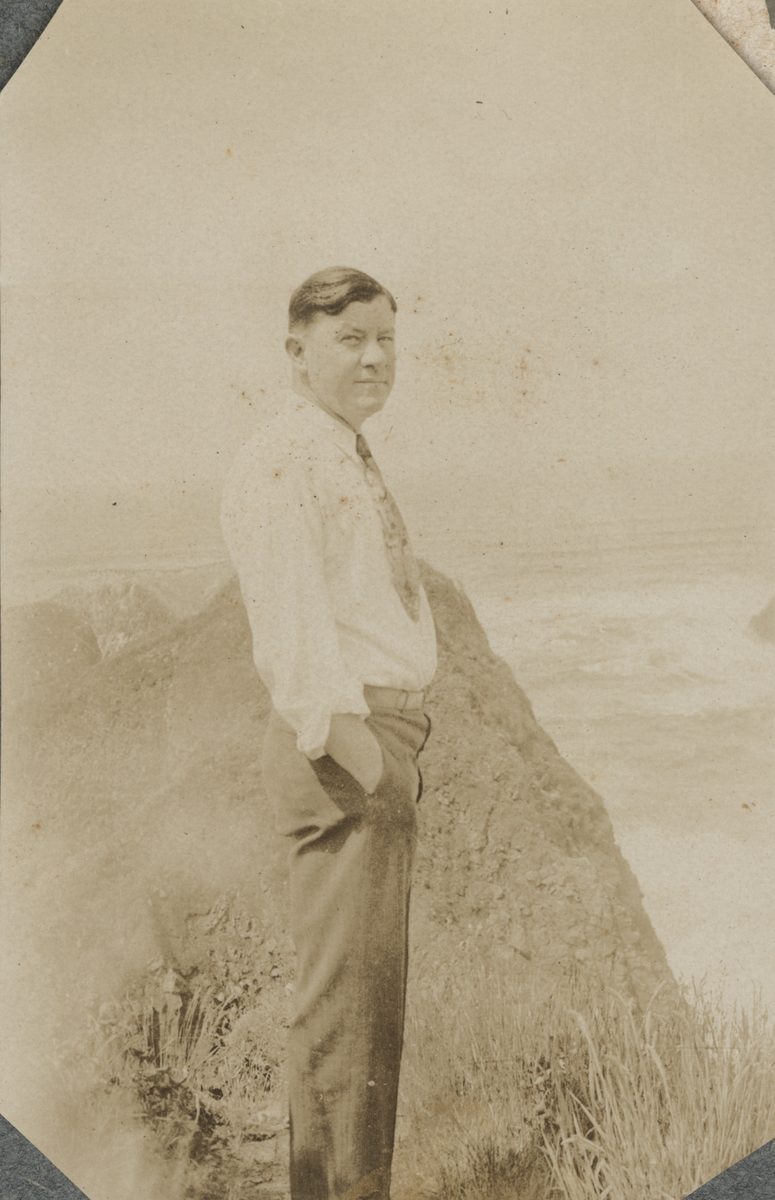
Three generations carried this name: Tom (1859–1935), his son T. L. (1887–1947), and his grandson Latané (1914–1997).
My great-grandfather was the eldest son of the man who founded the Temple lumber companies, and he carried his father’s whole name.
I have tried to read his life with its beginning in mind. His mother died when he was thirteen. Both his parents were busy, his father making his way in business and his mother running a boarding house to help support the family. By his son’s account he got very little attention from his father, and of his mother he remembered a single moment of tenderness. He was sent off to school as a small boy and was at one school or another until he was twenty. The drinking that runs through the rest of the story started, by his own account, when he was about sixteen.
What follows comes from three kinds of source, and they carry different weight. There are records made at the time: certificates, draft cards, newspapers, letters. There is what his son Latané, my grandfather, said and wrote forty to sixty years later, much of it what his father or mother had told him. And there is what the family said in recordings made in 2013 and 2022. I have tried to say which is which as I go, and where a point rests on reasoning rather than a document, to say that too. His page in the family archive has the records behind this and many more photographs. The full working tree is on Ancestry, and his profile there needs an Ancestry sign-in.
The name
His father was Tom. He was T. L., “as he was called to distinguish him from his father,” Latané wrote in 1971. At Lawrenceville the boys called him “Tom” and “Temp.” Latané said his father liked the middle name spelled Louis, and Louis is how it appears on the 1917 draft card T. L. signed. The 1942 card and the death certificate spell it Lewis.
Texarkana, 1887–1900
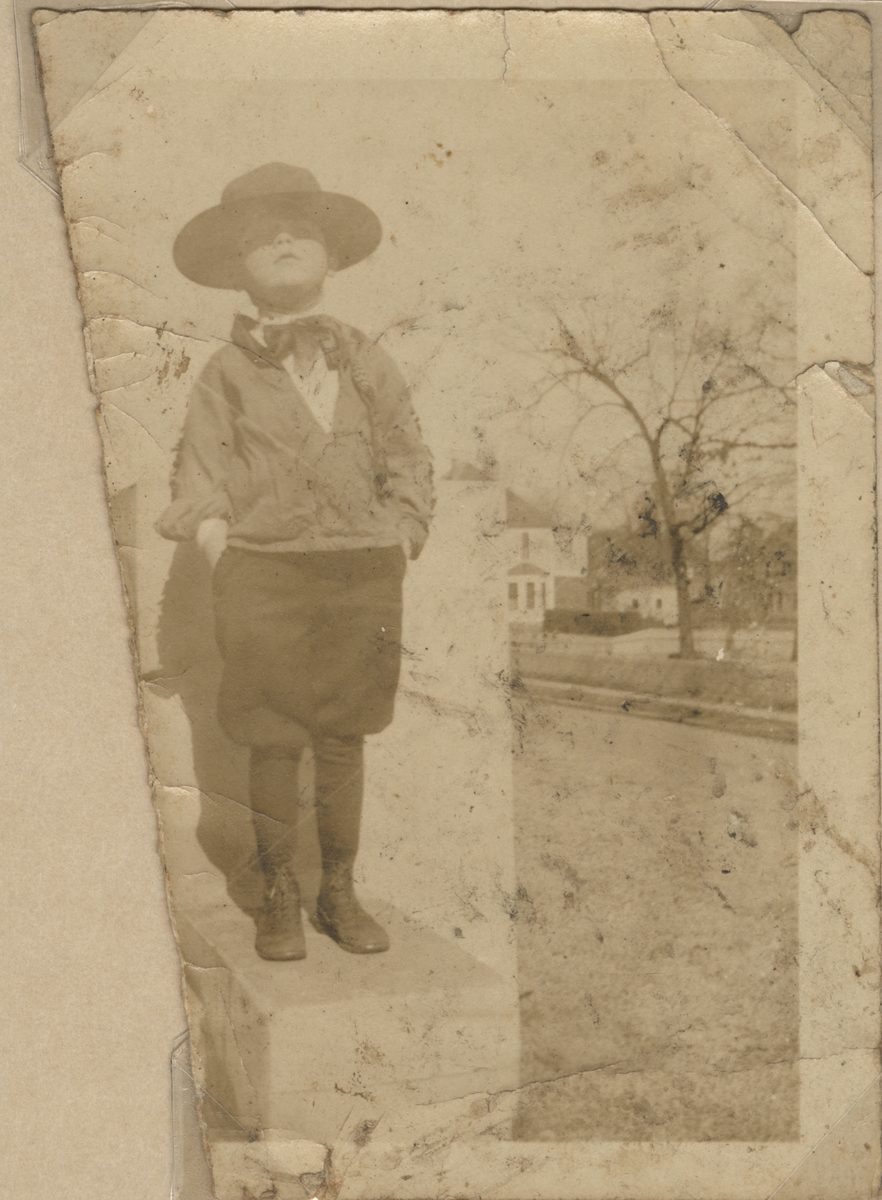
He was born on 24 September 1887 at Texarkana. Both his draft cards say Texarkana, Texas. His death certificate and his school yearbook say Texarkana, Arkansas. The town sits on the state line, and I can’t settle it. The yearbook also gives the year as 1886; everything else says 1887.
His parents were Thomas Lewis Latané Temple and Georgie Derrick Fowlkes. Of their five children who grew up he was the second, after Gertrude, and the first son. His brother Arthur was seven years younger.
Latané, recording in 1985 what his father had told him, said the family lived at Fifth and Walnut. The father “was busy making his way,” and the mother “ran a boarding house there, helping to support the family.” T. L. “got very little attention from his father and was sent off to school, as a small boy early in his life.”
One memory of his mother survived, and he told it to his son more than once. Latané said “he would always choke up when he would tell about this.” She had sent him to the grocery for a loaf of bread, “and when I brought it back she said, ‘you are my little man.’ That was all he ever recalled of tenderness.”
She died on 30 November 1900. He was thirteen and away at school. Latané said it three times, in two interviews and a column: his father “was not even permitted to come home to her funeral. He never forgot that and it was always a bitter memory.”
Many schools, 1901–1909
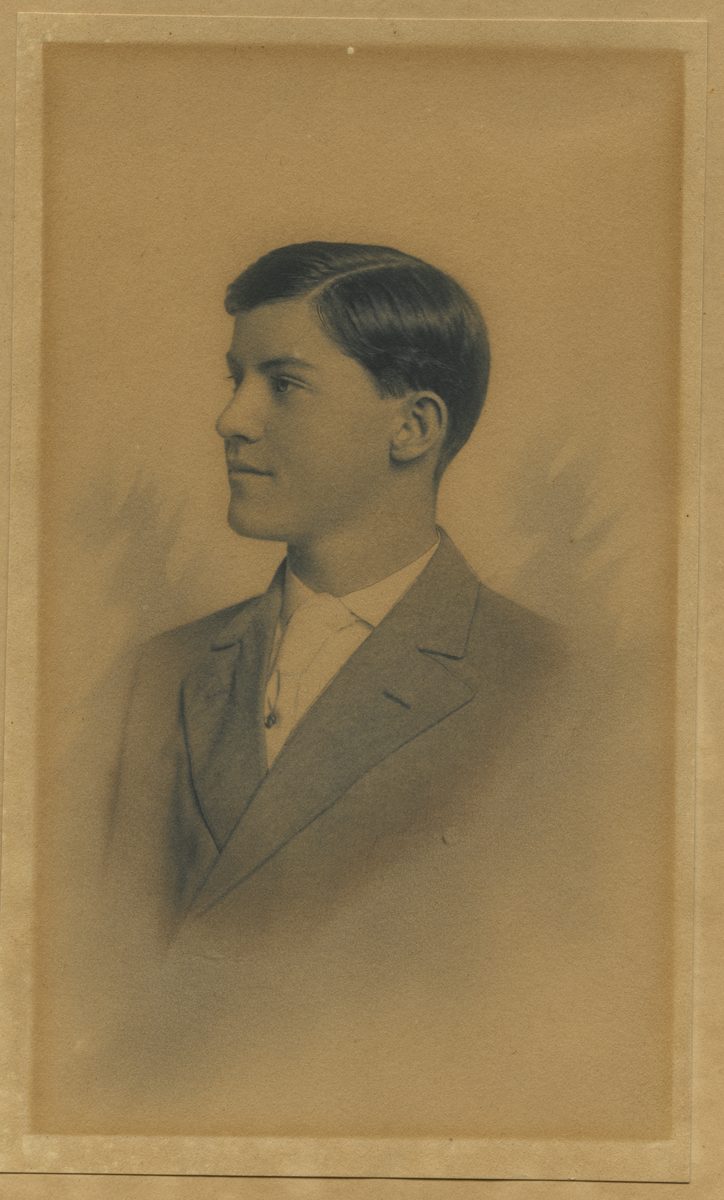
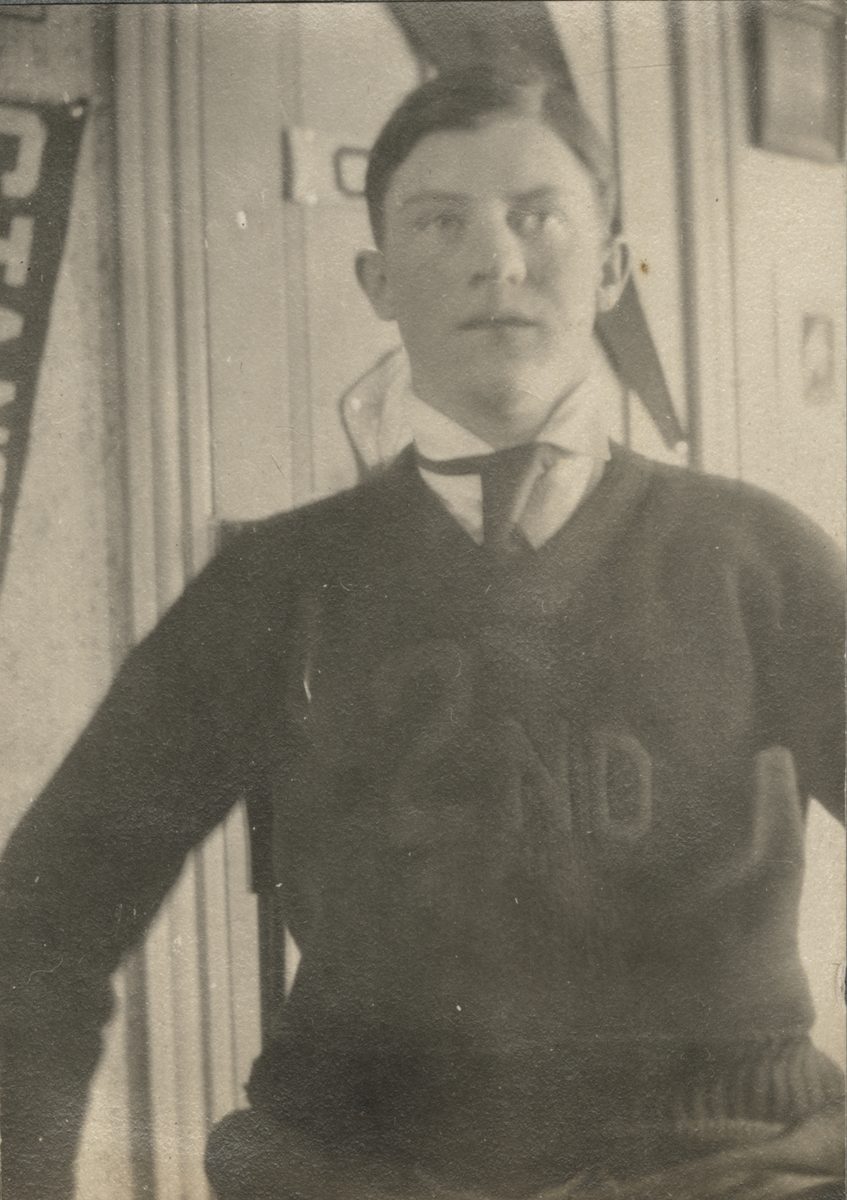
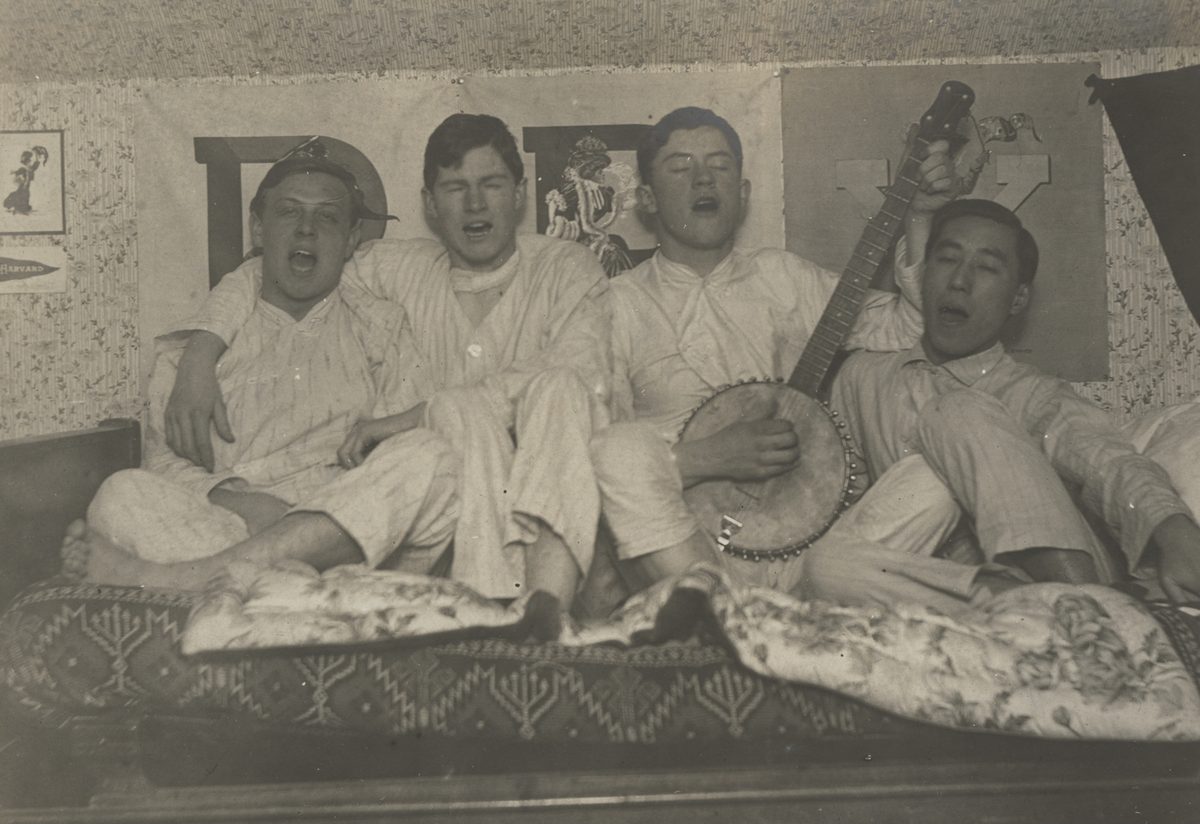
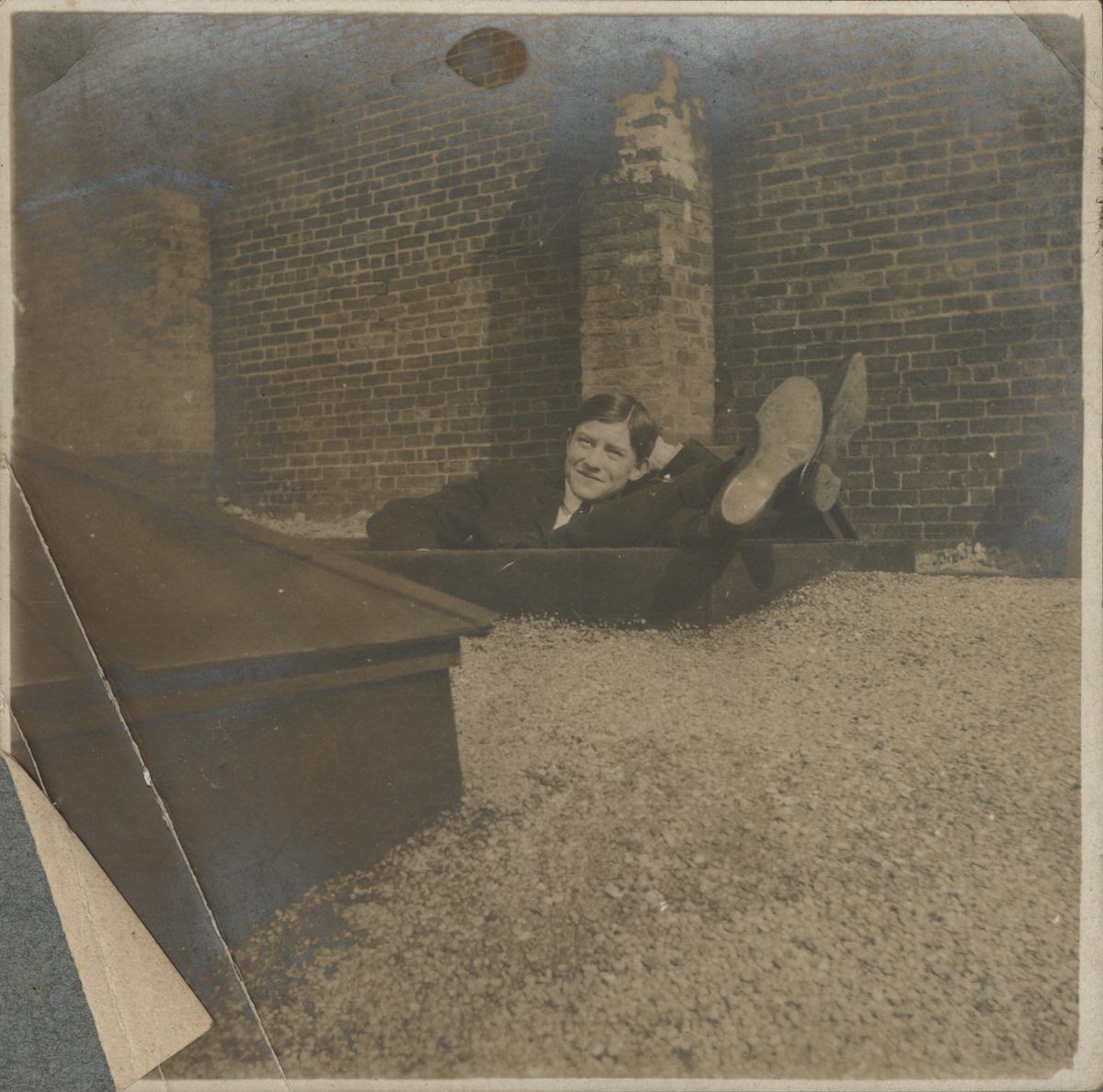
“He went to many schools and left all of them,” his son said. The papers bear out the first half.
Bingham School, Asheville, 1901. The earliest surviving letter from his father went there, four months after his mother’s death. It does not mention her. “My dear boy! why dont you do better? Surely you can if you try.- Just think how mortifying it would be to be expelled.” And: “Overcome that Careless, thoughtless disposition.- Let baseball go.- Dont think about it.” It is signed “Your devoted Papa.”
Latané also told of hazing in these years, at “about 12 or something like that,” though he named no school: the older boys made him climb a pine sapling, “and how it scratched him and how wretched he was.”
Principia, St. Louis, 1902–03. A St. Louis paper said at his wedding that he “attended Principia School in St. Louis during 1902 and 1903,” where he was “regarded as an exceptionally bright young man.” In February 1903 his father, writing from New York, mentions “T. L.’s teacher,” a young violinist, so which city he spent that winter in is not clear.
Lawrenceville, 1904–1907. He entered the New Jersey school in 1904 in the Scientific Course, “Preparing for Williams.” He played guard on the basketball team, was on the second football team, sang in the choir and played first violin in the orchestra. It was the one school that impressed him. He kept the headmaster’s letter to his father for years, and he insisted his own son go there.
The letter itself is lost, but two of his sons remembered it. Latané: it said “that my father would never die of overwork and that turned out to be a true and proper prediction.” His half-brother John, in 2013: “Your son is a prince of a fellow if I could just keep his attention.” His father had said much the same thing in the Bingham letter, when he was thirteen.
The University of Texas, 1907–08. The registrar confirmed to me in 2022 that he attended in the fall of 1907 and withdrew in March 1908. His father wrote to him that October, to an envelope addressed “State Univ…” with the town torn away: “How is your School now? Do you like it better? … What did you do about the fraternity?” and “Sorry you do not write oftener.” The dates fit Austin, though the envelope can’t prove it.
After that the trail is thin: Beaumont in November 1908 “to attend the sessions of the federal court,” Danville, Kentucky, in June 1909 “visiting college chums.” When he married in 1910 a paper said he was “attending the University.” No enrollment after March 1908 has turned up.
Diboll: the boss’s son
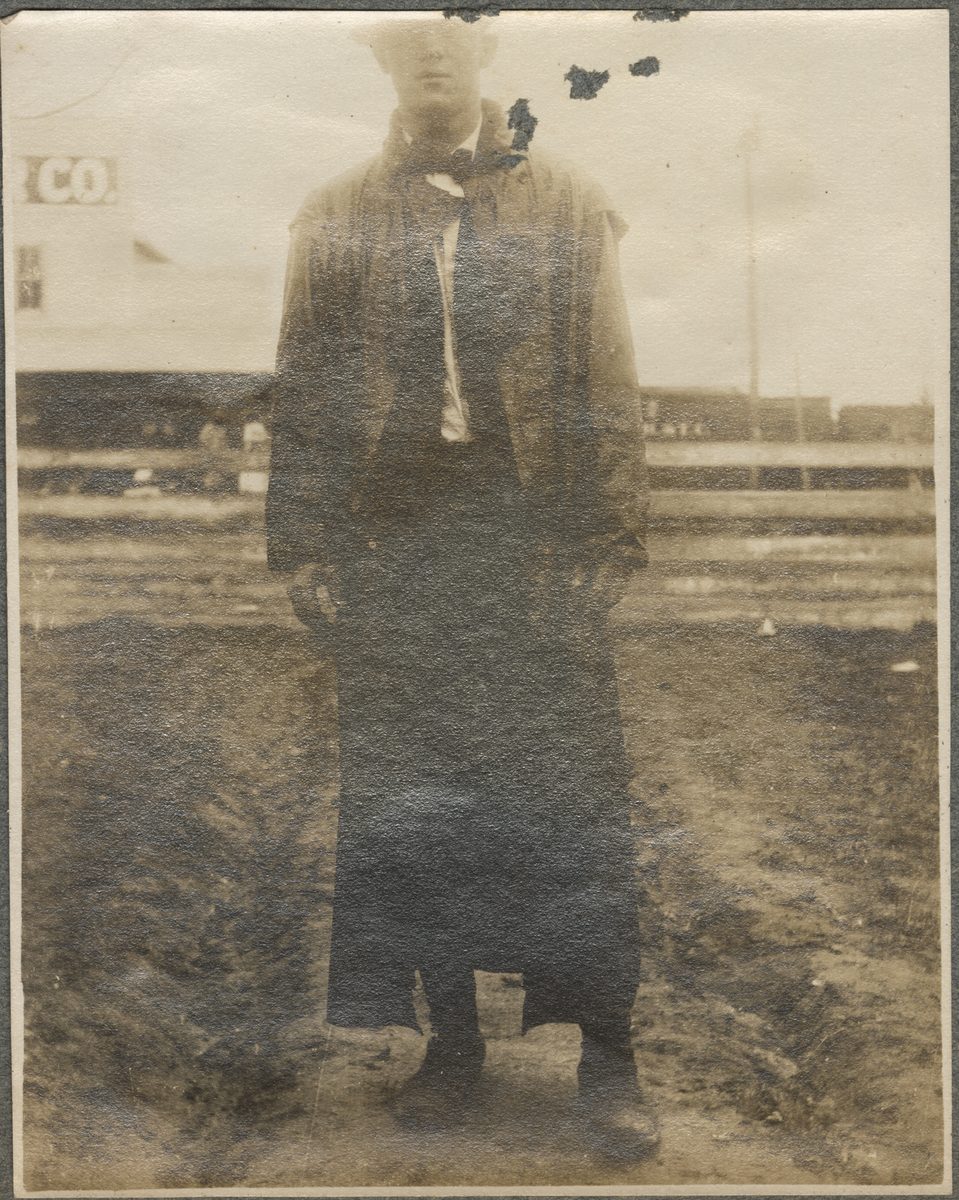
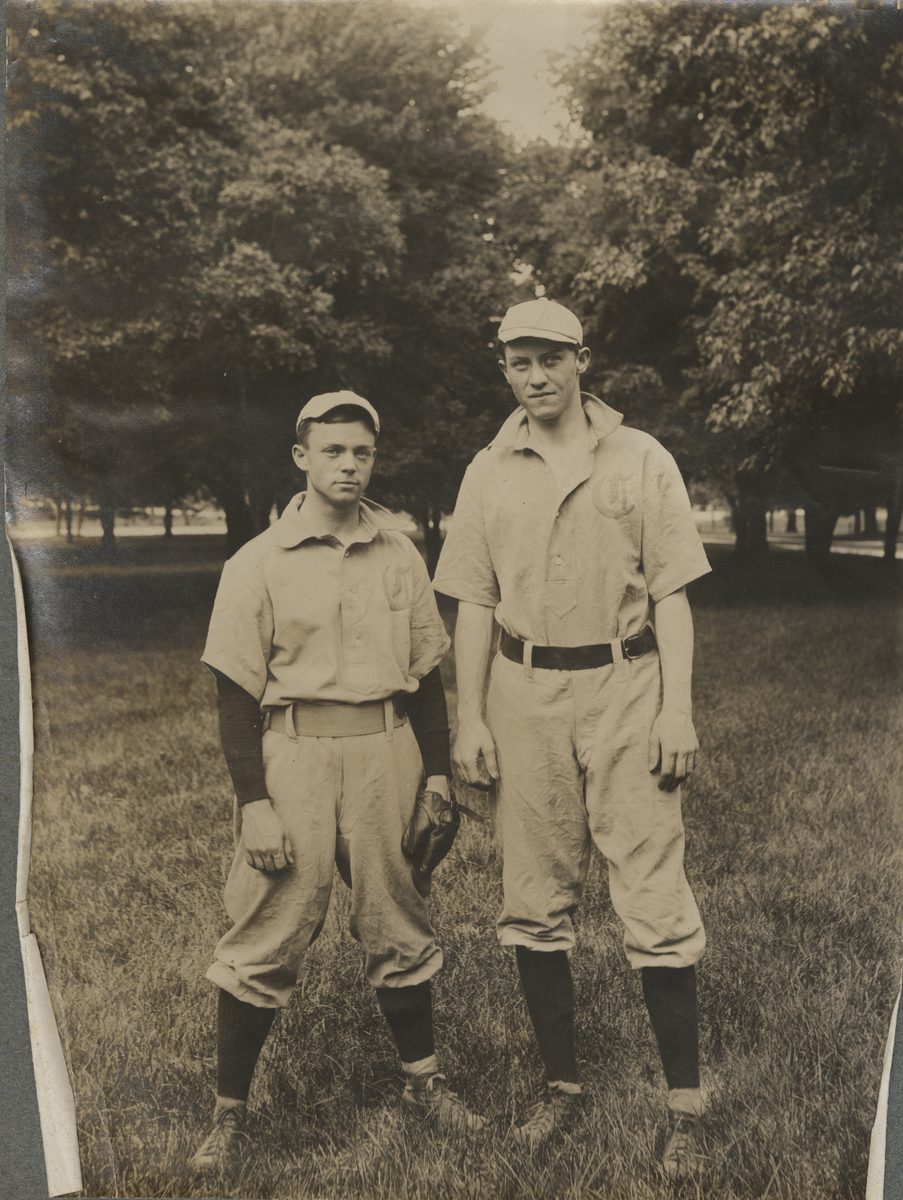
The 1910 census finds him at twenty-two in Angelina County, single, living in another household. That is the Diboll of the stories.
His closest companion there was his first cousin Henry Temple, two years older. They were “closer than brothers,” Latané wrote. “When they got old enough they started working at the mill, playing ball and doing a lot of other things together.” T. L. called Henry “brother,” and told his son “he didn’t feel that Arthur Sr. was his brother, that Henry was his brother.”
Latané worked at Diboll in the summer of 1933 and heard what people still said about his father twenty-five years on: “He could put out more work than the best hand in the mill as long as he would work, but he would turn up missing from time to time and as often as not be found up under the dolly way or in the shade of a stack of lumber shooting craps with black workmen, using commissary chits for money.”
Then there is the Fourth of July game. Diboll played Lufkin every year and usually lost. One summer T. L. went to Houston and hired about half the Houston club of the Texas League “to come play for Diboll in the big game. Under assumed names, of course.” Then “he borrowed from the company safe the week’s payroll and bet it on Diboll.” Diboll won; he “collected his bets, paid off the Houston team and put the payroll money back in the safe.” Latané’s verdict in 1971: “This might be true. The boss’s son could have gotten away with it.” And in 1977: “His bold strokes were seldom so successful from then on in his life, but for that day he was the stuff of glory.” It is a story Latané was told. No newspaper has confirmed it, and no year is attached.
Henry’s wife Lucy remembered baking a cake on a day the cow had just been milked, when T. L. “came in the house after playing a game of baseball, ate the whole cake and drank all the milk.”
He was a musician all his life. His father made the children study, Gertrude the piano and T. L. “the violin and other instruments.” In a photograph of the Diboll citizens’ band he wears a working man’s cap among the bowler hats, because “when they got ready to take the picture he wasn’t there, so they had to send for him.”
Christmas Eve, 1910
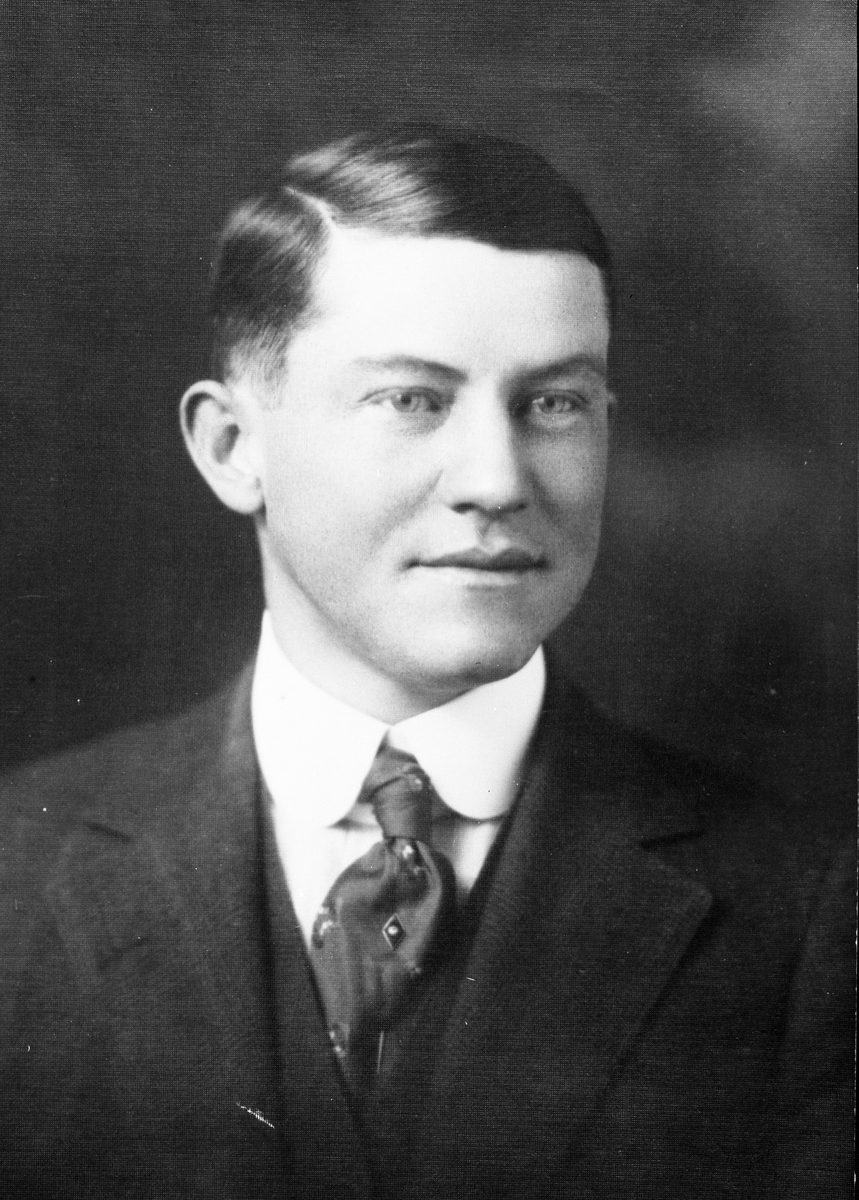
Hal Crouch was nineteen, a railroad conductor’s daughter and, by her son’s account, “a rather celebrated beauty in Texarkana.” She was engaged to a St. Louis militia captain.
Her version of what happened reaches us through Latané, who told it in 1985 as she had told it to him. T. L. and his father were on the gallery at Fifth and Walnut when she rode by on her horse, and the old man said, “Now, there’s the girl you ought to marry.” She believed all her life that he courted her “so he could please his father and succeed in getting more favors from him.” She also remembered what won her. He played Schubert’s Serenade on the violin and “smiled over the violin at her in such a beguiling way that she was won over.” “My father did have a very sweet smile, blue eyes,” Latané added. And his father made her a promise: “If you will marry my boy and make a man of him, I’ll never forget it. I’ll always look after you.”
The newspapers’ version: on Saturday, 24 December, “Temple drove his big six-cylinder automobile to the Crouch residence, ostensibly for the purpose of inviting Miss Crouch to a drive.” They took out the licence at the Miller County courthouse on the Arkansas side. A family friend “raised the question of the legality of the marriage,” and “the knot was tied a second time.” The Miller County register has the licence and the return for that day, the groom twenty-three and the bride nineteen. No Texas licence was issued, which fits an Arkansas wedding followed by a church ceremony in Texas. Latané’s telling has her father refuse them his roof until they had married again in the right state. The accounts don’t agree on the order of the ceremonies.
It was national news for a week because of the captain. His fellow officers of the Missouri National Guard passed a resolution of sympathy, and the Los Angeles Times ran it under “Jilted by Southern Flirt Who Elopes Day Before Christmas.”
Pineland, 1911–1914
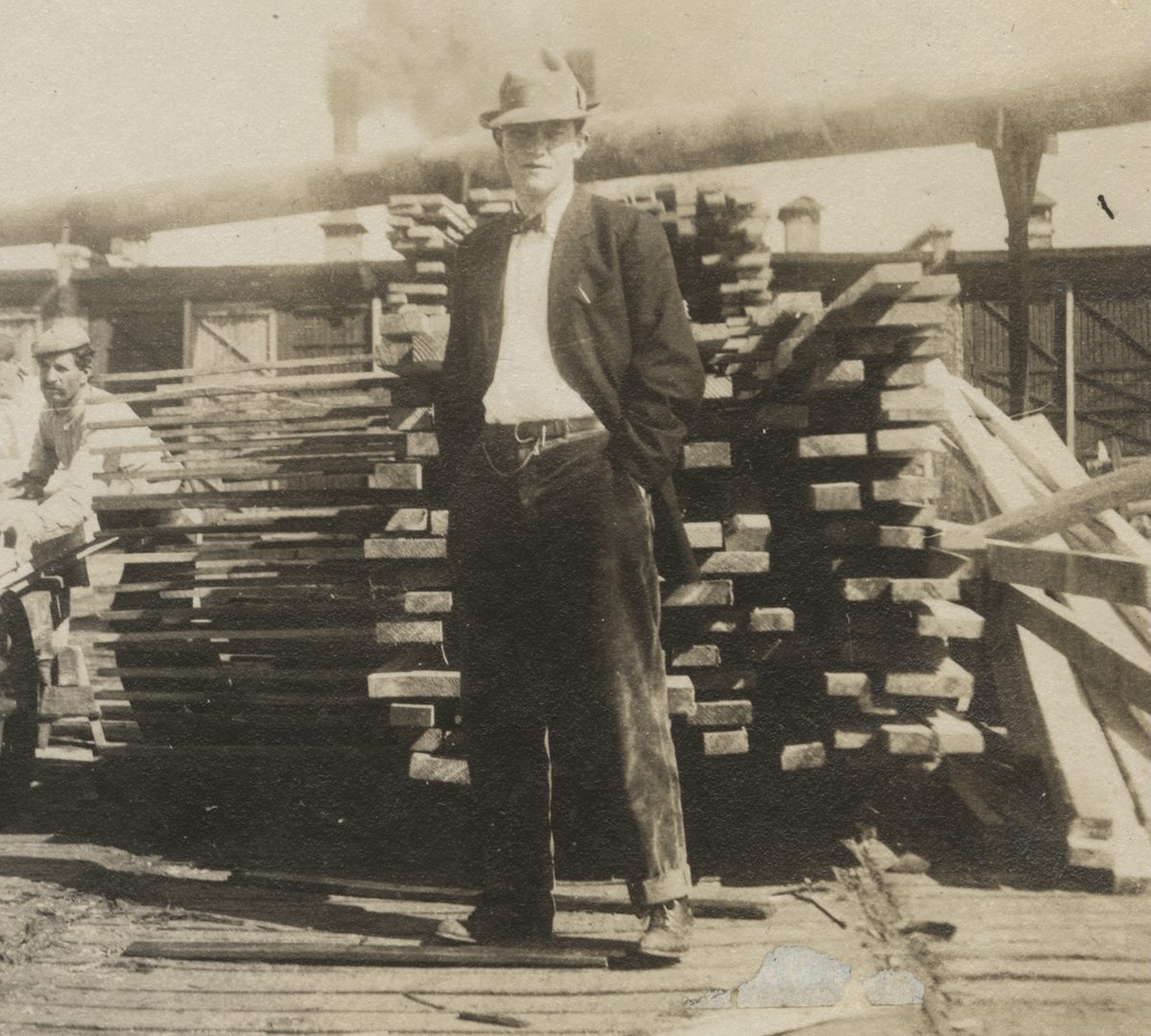
His father had just taken over the mill at Pineland and renamed it Temple Lumber Company. He “made a job for him as assistant manager,” Latané said, and “out of the best edge grained and select lumber that the mill produced, they built a house.” Nine mechanics from Texarkana spent two months on it.
Hal’s own memoir of those three years, written to her son in 1959, is the warmest thing anyone wrote about the marriage. She arrived in January 1911 after three trains and twenty-one hours. There was a bird dog, a cow, a wedding-present pig, and ducks that laid eggs anywhere. “Your father went in for raising, in succession, Duroc Jerseys, little bone Berkshires, and he even sent to Ohio for Tamworths, the bacon hog.” There was a town band: “Your father played the trombone.” And “it seems to me that the dry kilns in Pineland were new then and that your father had some active part in them being used.”
Their daughter Helen was born in December 1911. In 1913 the Beaumont paper called him “a wealthy young lumberman of Pineland.”
Houston: the first yard, 1914–1917
The retail lumber business was his idea, and even the sources least inclined to flatter him agree on that. “In about 1913 Temple Lumber Company branched out into the retail yard business, largely through the persuation of T. L., who supervised the building of the first yard on Texas Avenue in Houston and became the first manager,” Latané wrote. Hal called it “the best planned yard in town” and “the granddaddy of them all.” By the early 1930s the chain that grew from it had twenty-nine yards “from the Red River to the Rio Grande.”
In December 1914 the Texas Lumber Company of Houston was incorporated, its yard at 2600 Texas Avenue already four months open, “T. L. L. Temple, Jr., president and treasurer.” His own voice survives in a truck advertisement of February 1915, which reprints his letter working out that each truck did the work of three teams of horses, at $28.42 a month against $30.97 a team: “as long as we remain in the retail lumber business we will not be without them.”
One letter from inside the company survives. In September 1916 L. D. Gilbert, general manager at Diboll, wrote to T. L.’s father: “I do not know how you feel about this planing mill proposition, but I do wish that T. L. could suggest some scheme on which we could consistently go with him, because I feel that nothing would do him quite as much good as to carry some idea of his own to a successful conclusion.” He had been running the Houston yard for two years. Gilbert wrote as a man who wanted to see him succeed.
My grandfather Latané was born in Houston in December 1914. His parents were early members of the Houston Country Club, and the society columns have them at the Lumbermen’s Club dance and motoring to Austin for the Thanksgiving game.
Latané did not think Houston changed his father. An old lumberman told him of standing at a crossing when a train and a roadster reached it together. The car turned onto the track and went “bump, bump, bump on the crossties down to the next crossing” ahead of the engine. The man beside him said there was no fool in the world who would do that “unless it would be T. L. L. Temple.” “Well, that’s who it was.”
The war, 1917–1919
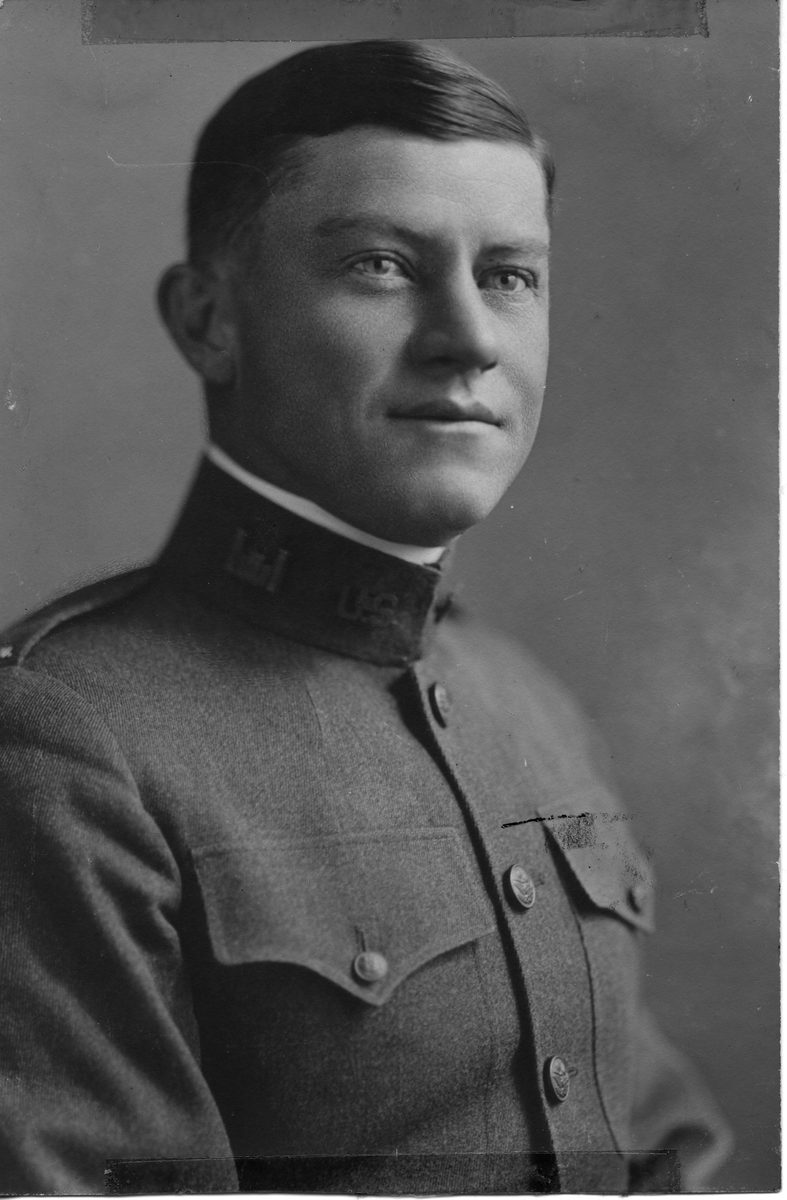
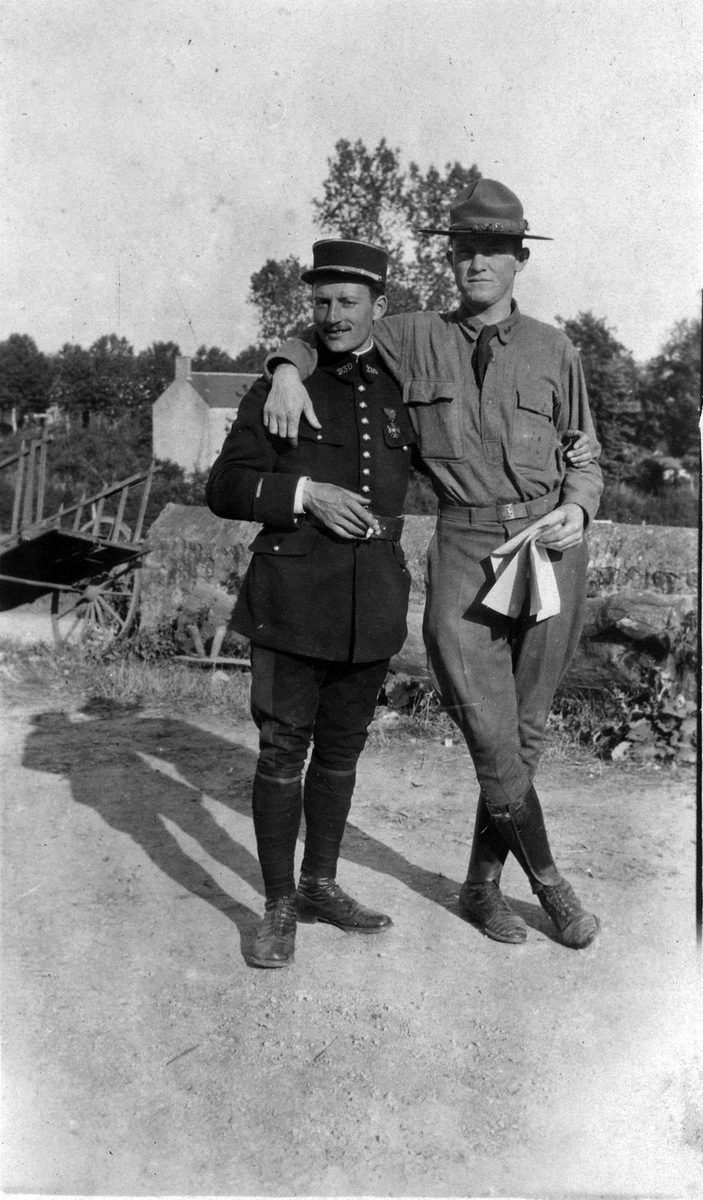
He registered for the draft at Houston at twenty-nine, president of a lumber company, with a wife and two children, and claimed no exemption. The registrar wrote him down as tall, of medium build, with blue eyes and dark brown hair.
His American Expeditionary Forces identity card survives in a family scrapbook. It names him a second lieutenant of Engineers on duty with Company B, 5th Battalion, 20th Engineers, and it was issued at Pannecot, in the Nièvre. On the facing page is his photograph: a stocky officer in a Sam Browne belt, standing against ivy.
Company B was a forestry company. Its printed history has it sailing on 31 January 1918 and building sawmills in the Nièvre that spring, at Urzy and at Moulins-Engilbert. Pannecot is a hamlet near Moulins-Engilbert. The troopship list from Hoboken has him on board with his company, his wife Hal at Texarkana to be notified, though the typist made “Latané” into “Lapane.” The history names no individual men, so that he served at the Moulins-Engilbert camp is my inference from the card and the map.
He did not come home with them. A list made at St. Nazaire for the Rijndam, sailing on 10 December 1918, has “Temple Thomas, 1st Lt., 20 Engrs.,” of Texarkana, under “Officers Sick and Wounded,” in the category “not requiring attention.” That was a month after the Armistice and six months before his battalion sailed. The list gives a category, not a cause, and what made him sick or hurt is not known. His service file would have said. The National Personnel Records Center told me in 2025 that it is not in their files and was probably lost in the 1973 fire.
Hal’s story, through Latané, was that his father “pulled all the strings he could to get my father into a lumber unit, in the engineers,” and that she herself spoke to a commanding officer at a party and got him his commission.
Hal took the children home to her parents in Texarkana and lived there, her son said, “without any help at all from my father or my father’s family.” From France he sent Latané a child’s French uniform, and he taught him a French song. Half a century later Latané wrote, “France to me is what my father told me of it after War I.”
“When the United States entered World War I, T. L. went into the Army. After that he never went back into the Company.”
Texarkana and Riverside Farm, 1919–1925
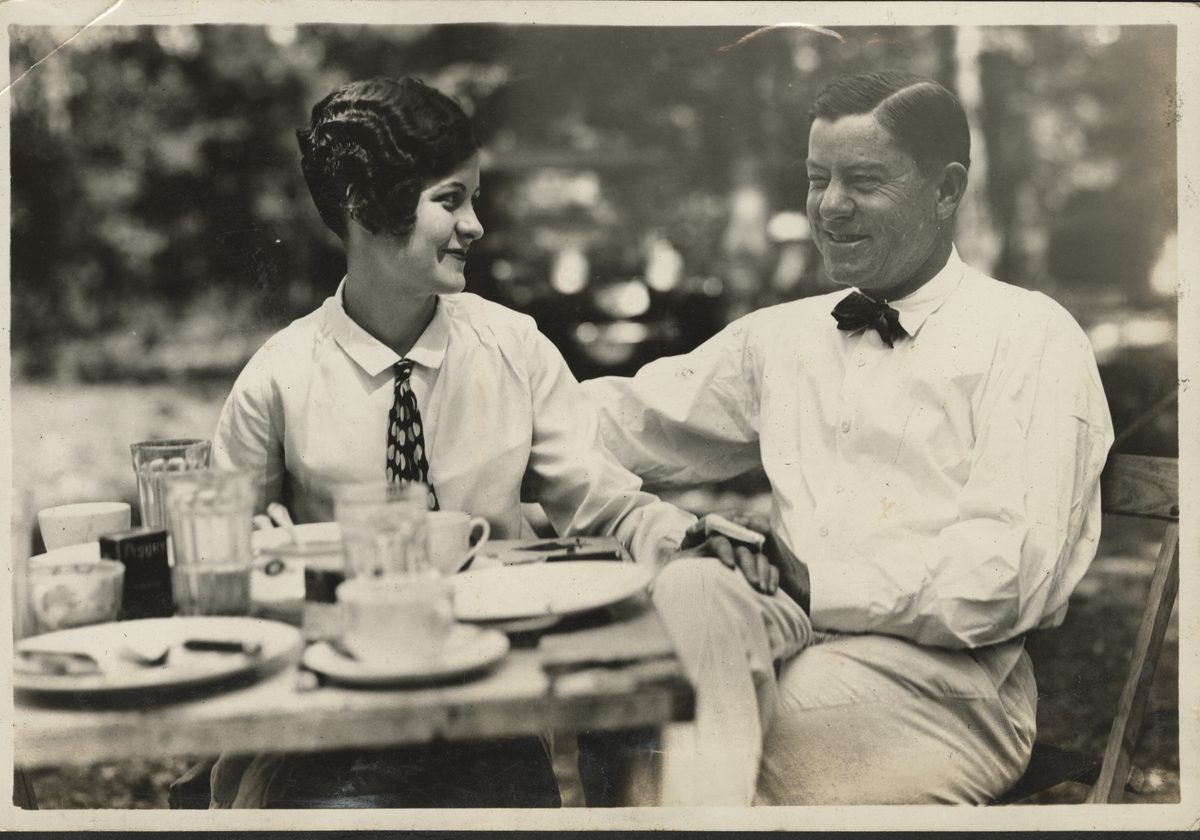
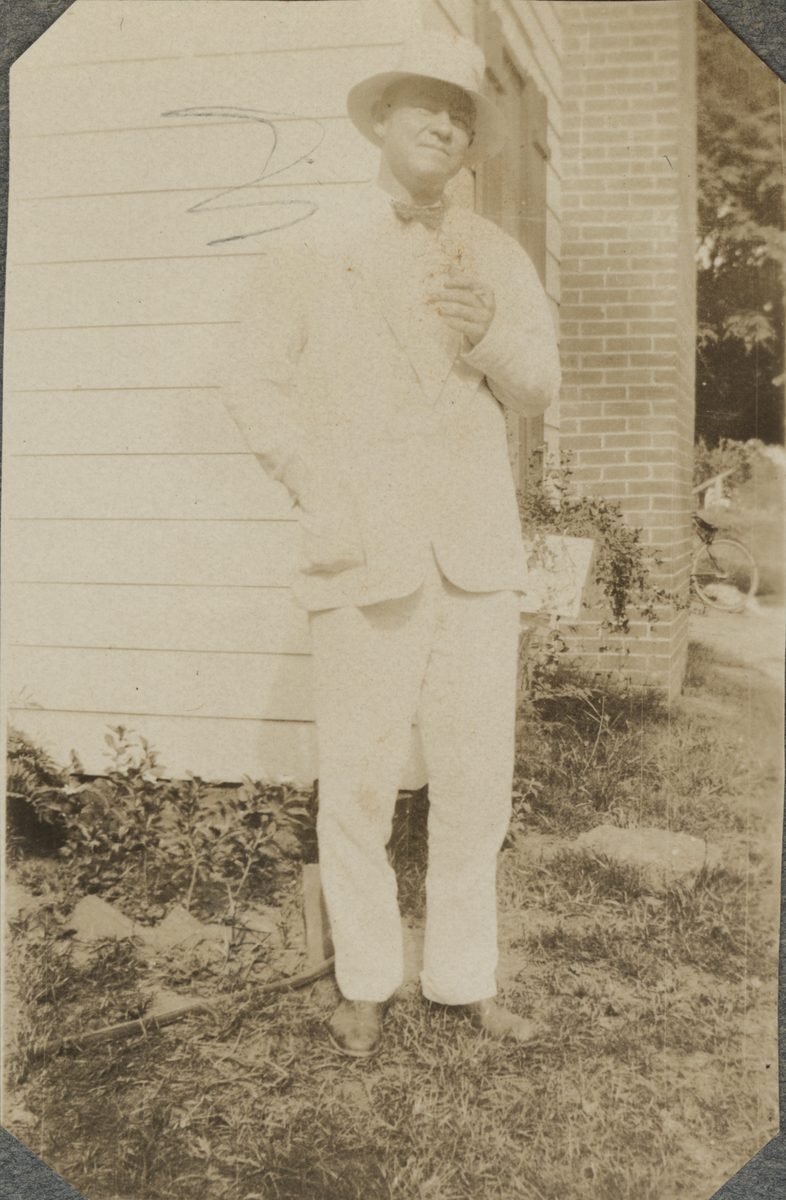
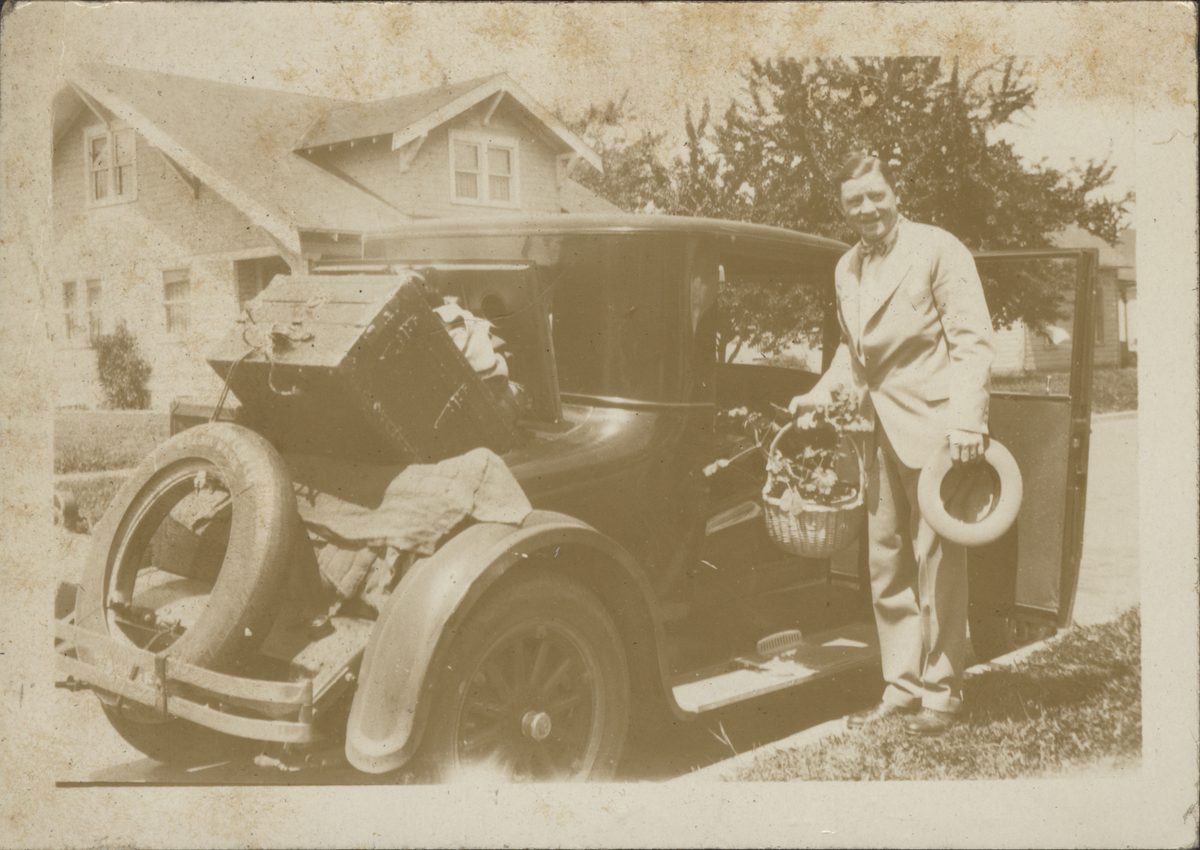
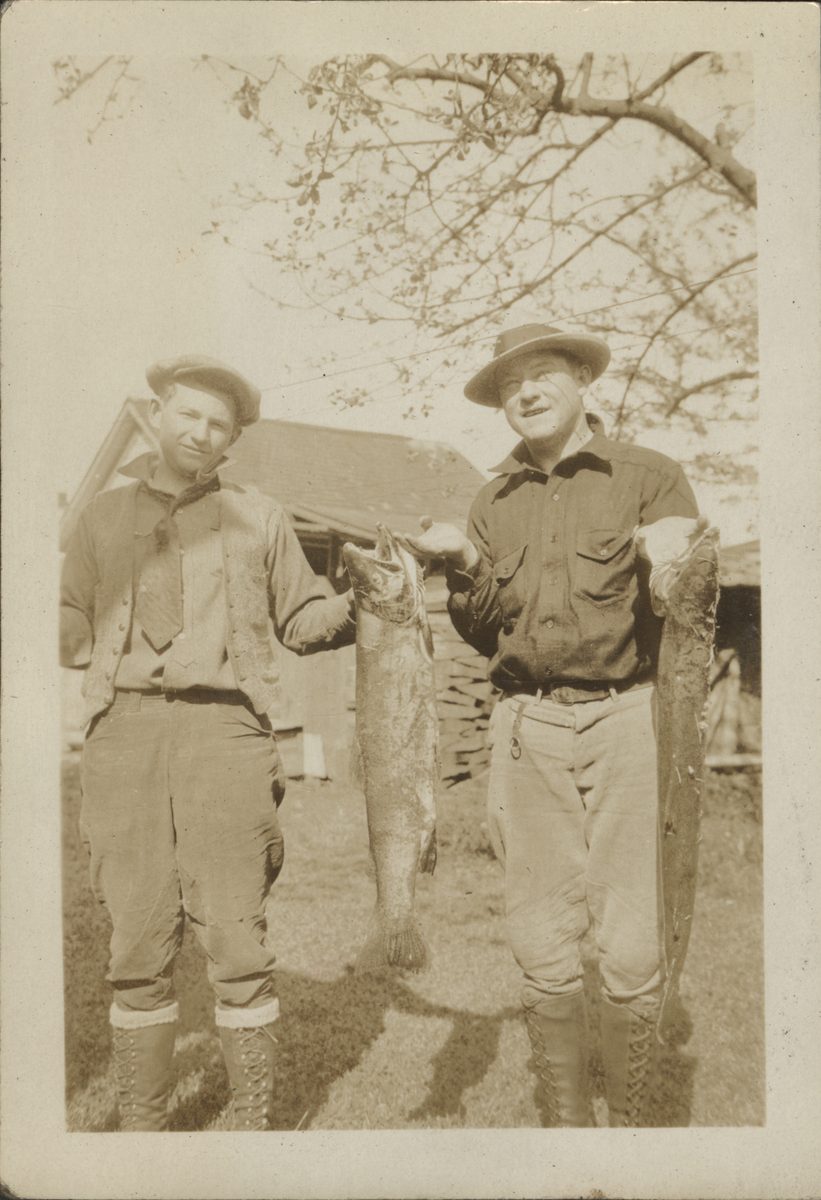
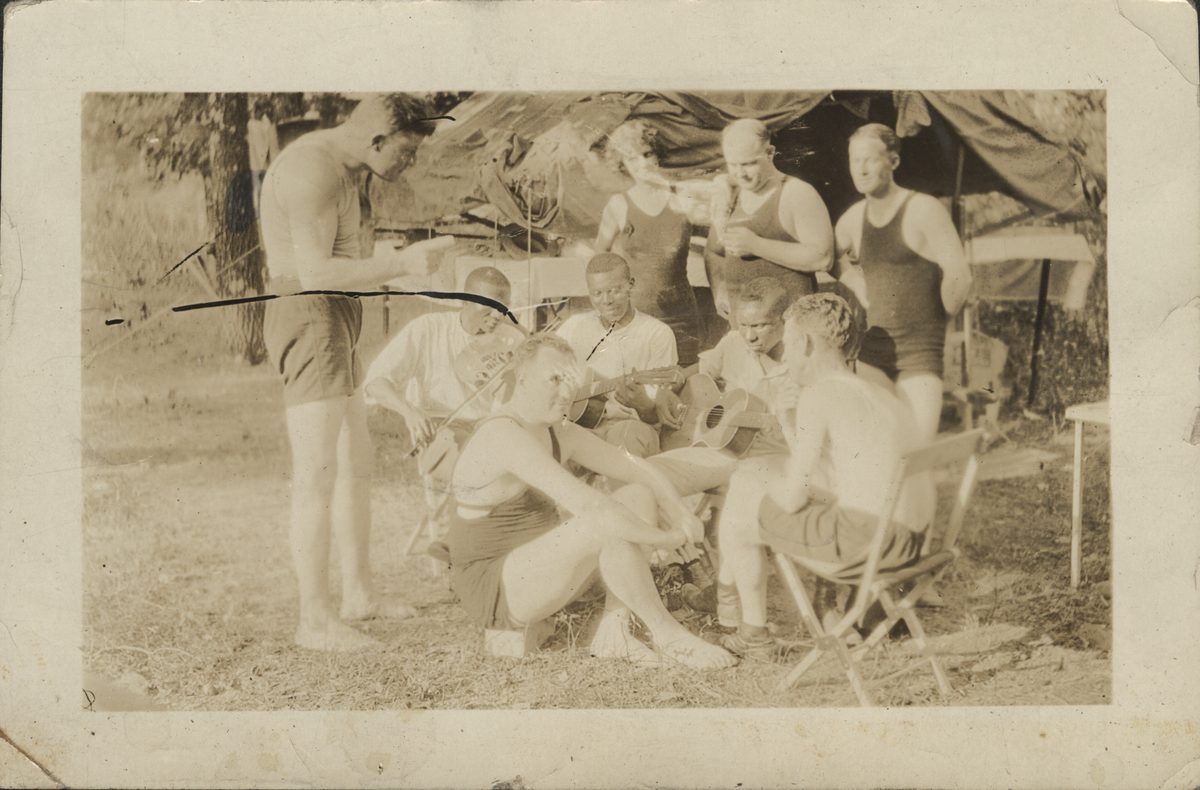
He came home and, with his father’s help, bought a house at Tenth and Hickory. His father also bought him Riverside Farm, about 2,000 acres on McKinney Bayou, six miles out a dirt road. “Presumably” he was a planter, Latané said, but an overseer ran the place. “There were parties out there. That was the main thing my father did.” He had his own musicians among the hands: “Cooney played the guitar and Jessie would jig.”
Latané’s account of these years is the hardest thing in the record, and he gave it plainly. His parents belonged to “a very classy post World War I crowd.” “My father drank heavily and he would disappear for weeks, if not months, at a time and show up after having been on the West Coast or God knows where. He gambled heavily.” And: “I do know that my father must have struck my mother more than once but it could have well been provoked, broke her nose one time.”
The newspapers have two nights. In December 1921 a motor policeman stopped him for speeding at 11:30 on a Sunday night; his passenger knocked the officer down, took his gun and drove off in the Temple car, “leaving Temple who was on the ground with the officer.” He pleaded guilty to speeding and paid $10. At four one morning in July 1924 his “heavy, high-powered roadster” smashed the small car in which a dairywoman and her young son were delivering milk. She sued in federal court, and in March 1925 a jury gave her $10,000 after about an hour.
Latané also remembered a lynching night. A deputy sheriff who was “a big friend of my father” had been shot, a mob gathered at the jail, and “my father was somewhere down there and later on told me that he was there trying to save the sheriff.” Hal went out looking for him while the children listened to the shooting from a neighbor’s porch. I haven’t found a date or a newspaper account.
In 1924 Hal filed for divorce. T. L. was “the one chosen” to tell the ten-year-old, and told him he would go with his father and his sister with their mother. “In his impatience he told me that my mother told him she didn’t want me, which of course, I didn’t believe.” The boy went with his mother after all, to St. Louis. The decree came on 4 April 1925, eight days after the roadster verdict.
The missing years, 1925–1929
For five years there is almost nothing. In January 1928 “Mr. and Mrs. T. L. L. Temple Jr. of Nacogdoches” attended a wedding. Who that Mrs. Temple was, I don’t know; he and Hal had been divorced almost three years. In June 1928 a taxi driver in Vancouver was cleared of stealing $85 from a “T. L. L. Temple, Jr., Hotel Vancouver,” who had been “under the influence of liquor.” The name is rare and Latané says his father vanished to the West Coast, but the item gives no hometown, so it may or may not be him.
The Valley, 1930–1941
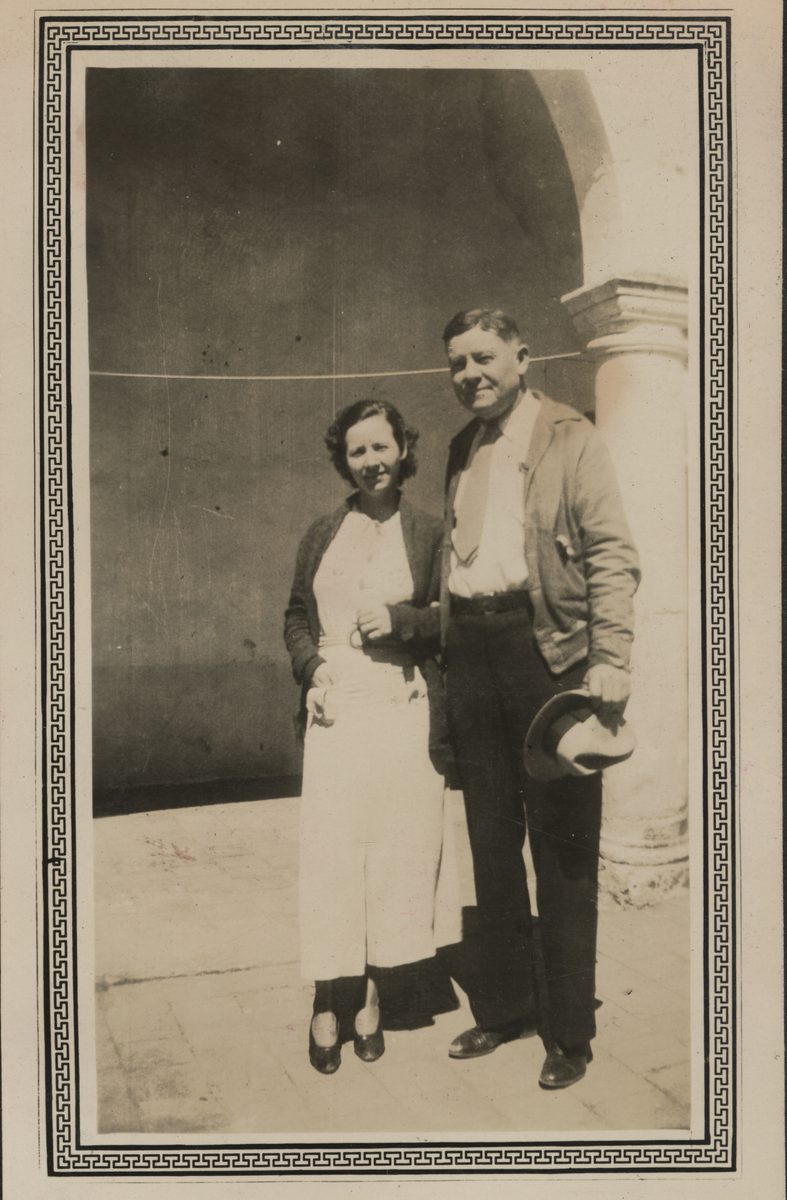
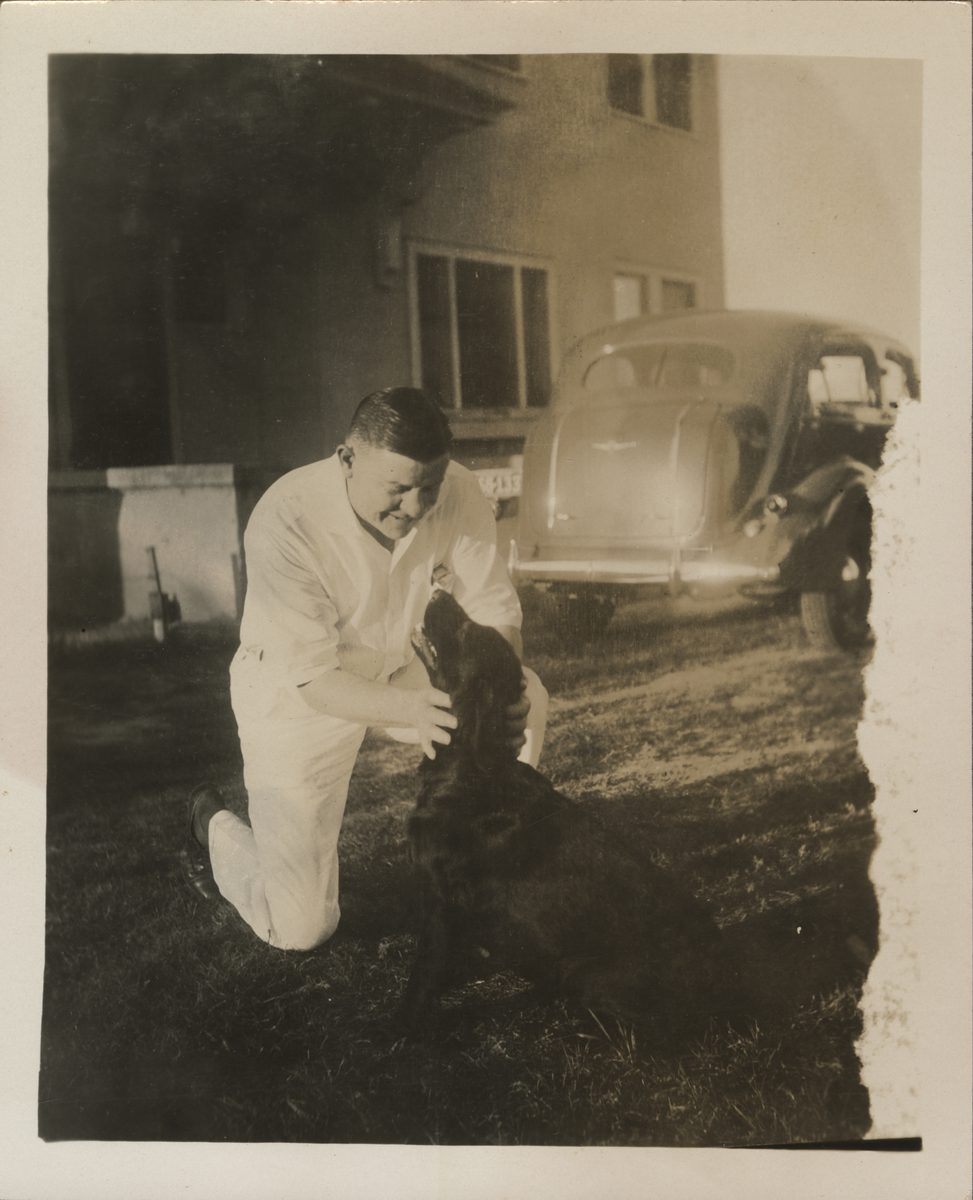
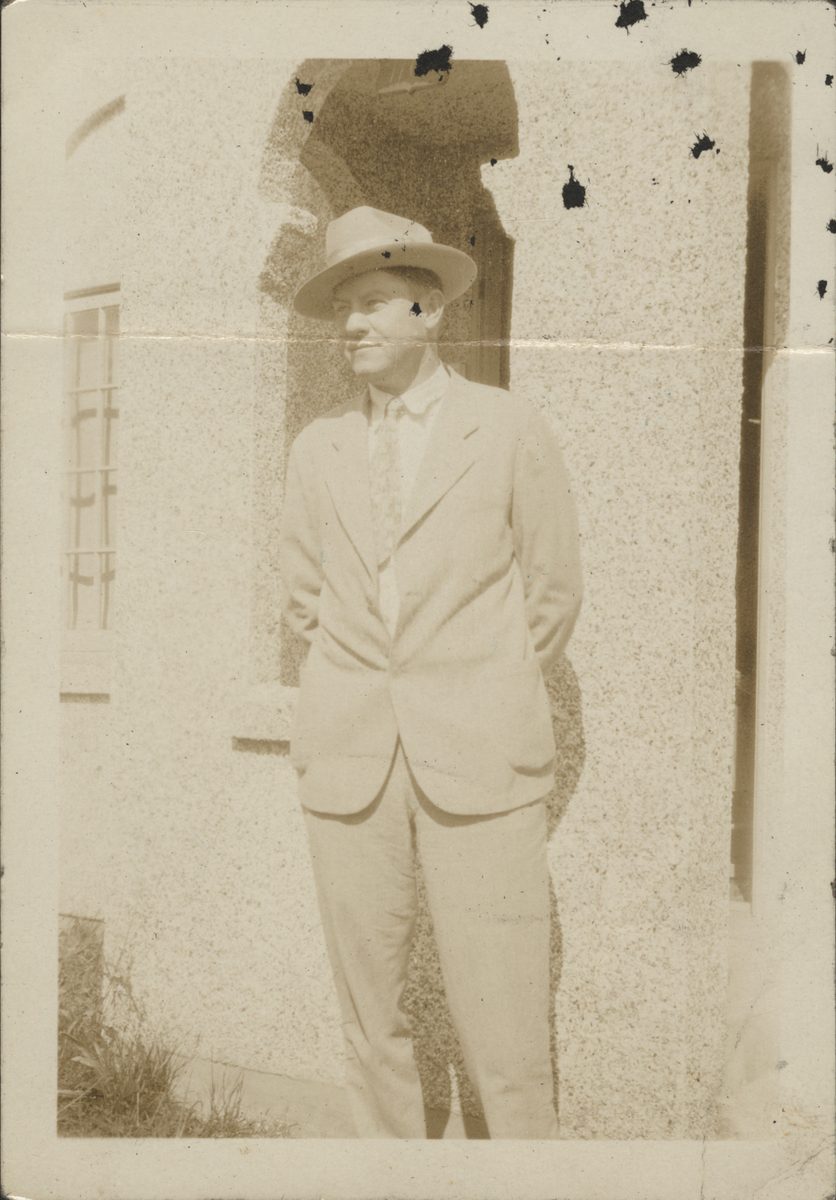
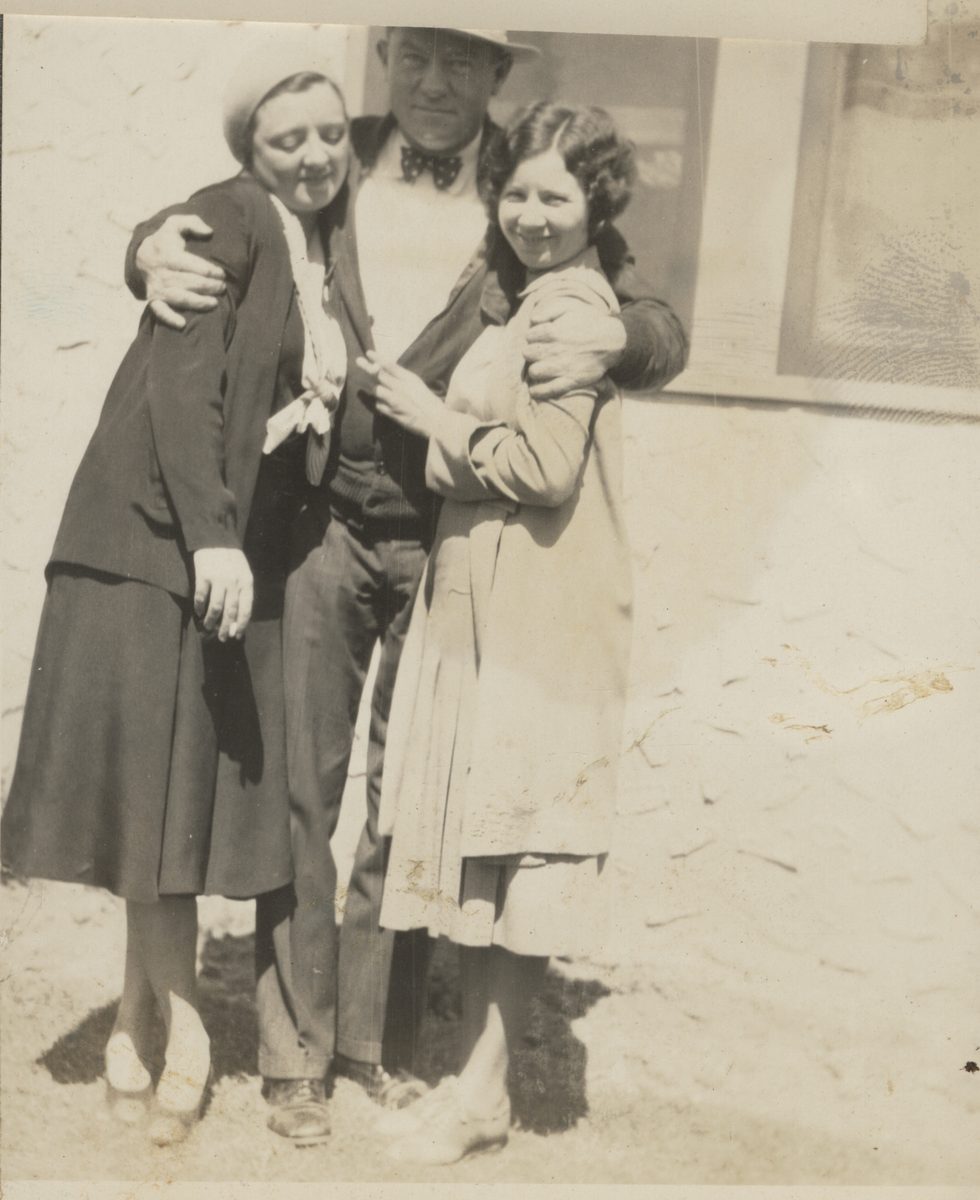
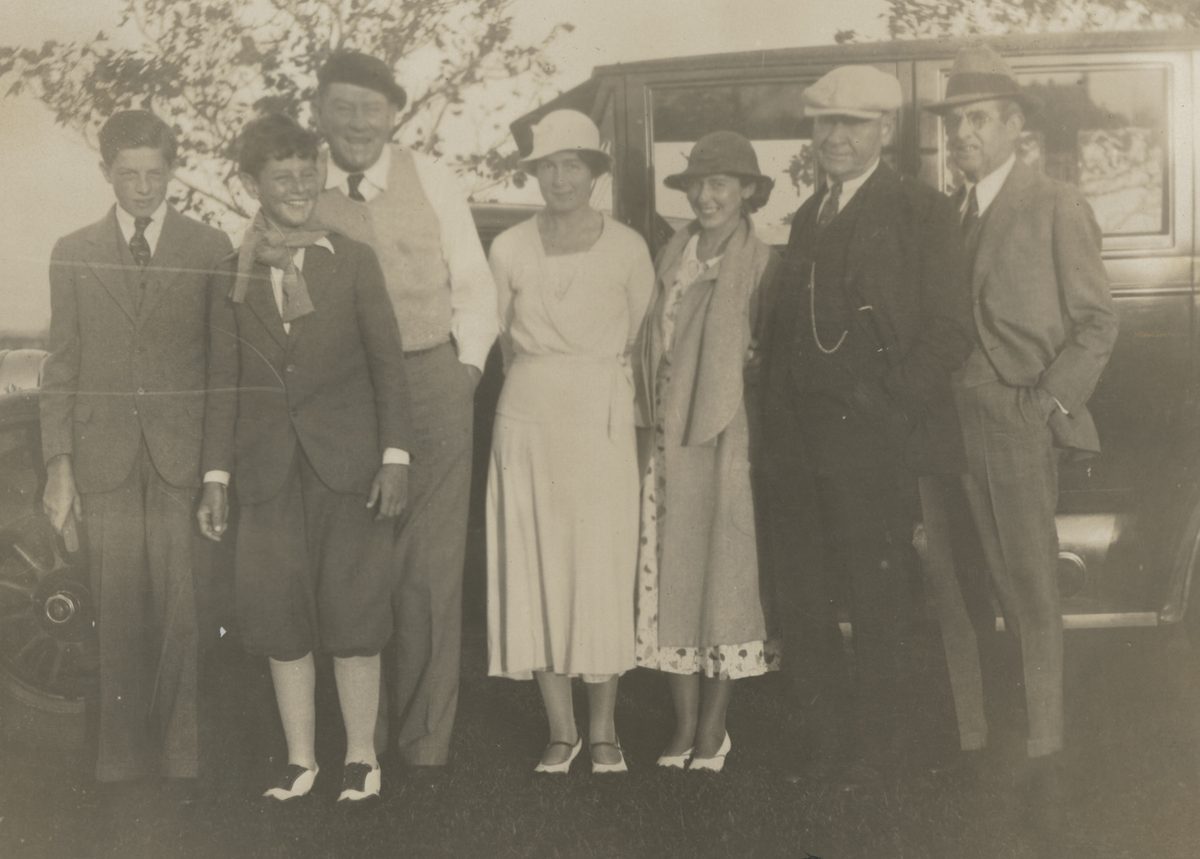
By January 1930 he was at McAllen, growing citrus. Seven typed letters from his father survive from that winter, each signed “Papa” in ink. T. L.’s side is lost, but the replies show what he wrote about: grapefruit and oranges shipped north by the crate, a freeze, his “young trees looking so well,” a photograph of his new house, invitations to come and see it.
The same letters shut off the money. He had been asking the company to pay for “further development” of the place. His father sent him a copy of the company’s answer: “We are in no position to spread out at all, as much as we would like to further T. L.’s development.” The family had lost heavily in cotton that winter. His father wrote, “at the present time, I feel very poor, and I think the rest of us do … I wish that you could appreciate the situation more keenly, and be more economical in your expenditures.” And: “Don’t know that you were extravagant in the furnishings, but $1500.00 seems to be a good deal.”
Every one of the seven letters closes “With love” or “With much love.” On 13 March: “Note that you are cooking supper; it sounds like you were getting real economical.” Another note, from about the same time, put his position in a sentence: “In a way you are an employee of the Temple Lbr Co, And yet not altogether, which makes a fine distinction.”
He married Madeline Potter of Mission, twenty years younger, a plumber’s daughter. When and where is not recorded. In April 1930 she was living in her parents’ house as “Collier, Madalin,” married at seventeen, with no husband present. By the summer of 1933 she was Mrs. Temple, and the two of them spent it with his father at the family’s lodge in Maine. John remembered that soon after the wedding she spent several months at Texarkana as his grandfather’s bridge partner, and that the old man “fell in love with Mother.” Their son, John Rogers Temple, was born at McAllen on 9 December 1935.
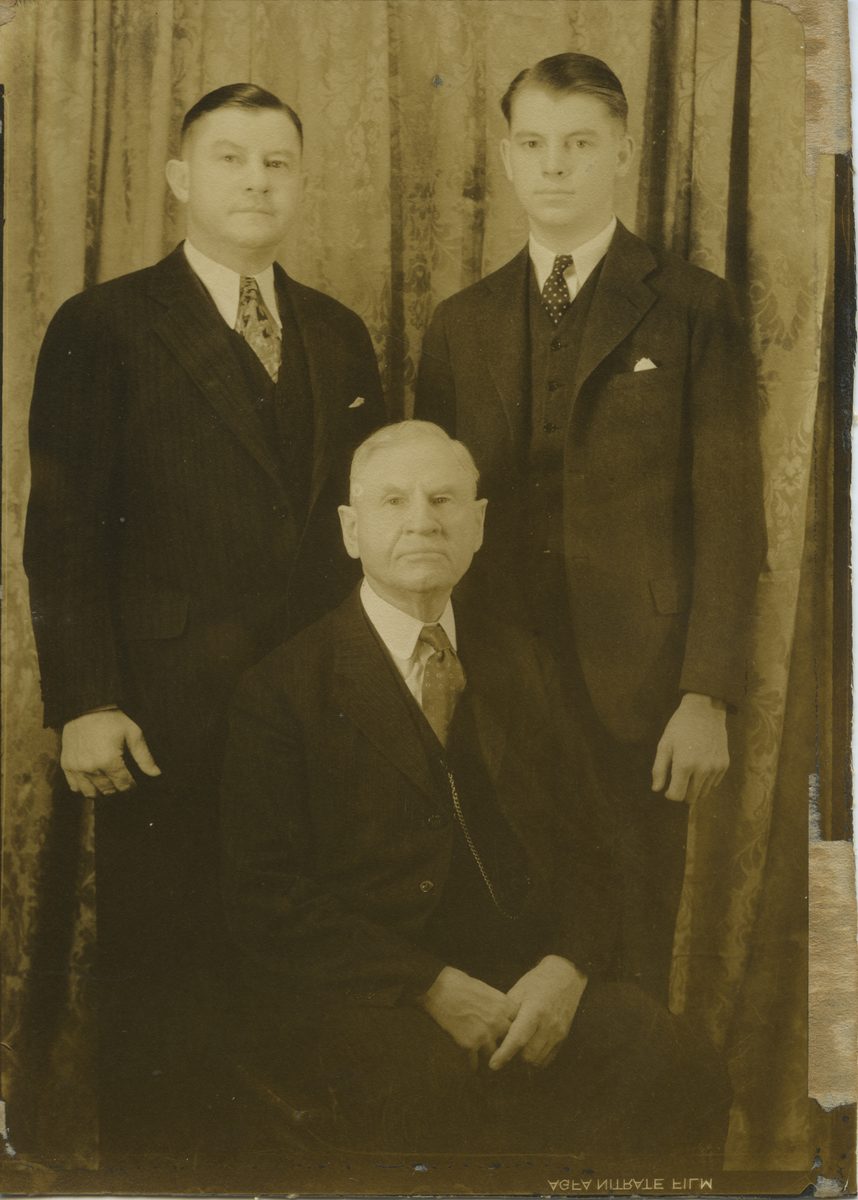
His father died at Texarkana on the first or second of October 1935. T. L. “was today in Mexico in the vicinity of Durango,” the paper said, and word had to be sent. The family story of the deathbed turns on that absence. As Latané heard it, the dying man held Arthur’s hand and said, “T. L., how wonderful it is that you are here.” John told it in 2022 as the same mistake: his grandfather died holding Arthur’s hand and calling him T. L. “That was an actual fact,” he said, “because he loved my father so much.” “My grandfather was partial to my father,” Latané said, “and my father could do anything with him.”
Latané left one picture of the two of them on the road. T. L. was driving his father to the Valley under orders not to exceed fifty. Knowing the old man couldn’t read the speedometer without his glasses, he would ease up to seventy, and be back at fifty by the time his father “pinched them on and focused on the dashboard.” Latané was in the back seat: “One of the few and perhaps the last time we three were together.”
In the Valley he kept starting things. He had a mine in Mexico, at Zacatecas and Chalchihuites by the McAllen papers; John remembered a silver mine and most of a year at Puebla, where his father also had a baseball team. He backed the McAllen Palms and a semi-pro club, and a columnist wrote that he had “put forth as much effort as anyone in South Texas” to make McAllen baseball-conscious: “It’s a tough road T. L.” He put money into a beer distributorship that was dissolved four months later, leaving him its obligations and, in 1941, suits from two breweries. There were oil leases, a canning company, land. And there were debts: a garnishment, a constable’s levy for a judgment seven years old, a suit on debt.
Temple Webber Jr., his sister Gertrude’s grandson, told the cabbage story in 2013. “He had this little citrus grove, and they decided to cut down the citrus and grow cabbage. And that winter they had the worst freeze they’ve ever had in the Valley, and all the fruit trees died … and his cabbage survived.” John’s summary of his father in the Valley: “He’d get it successful and running great, and walk away.”
Houston again, 1941–1943
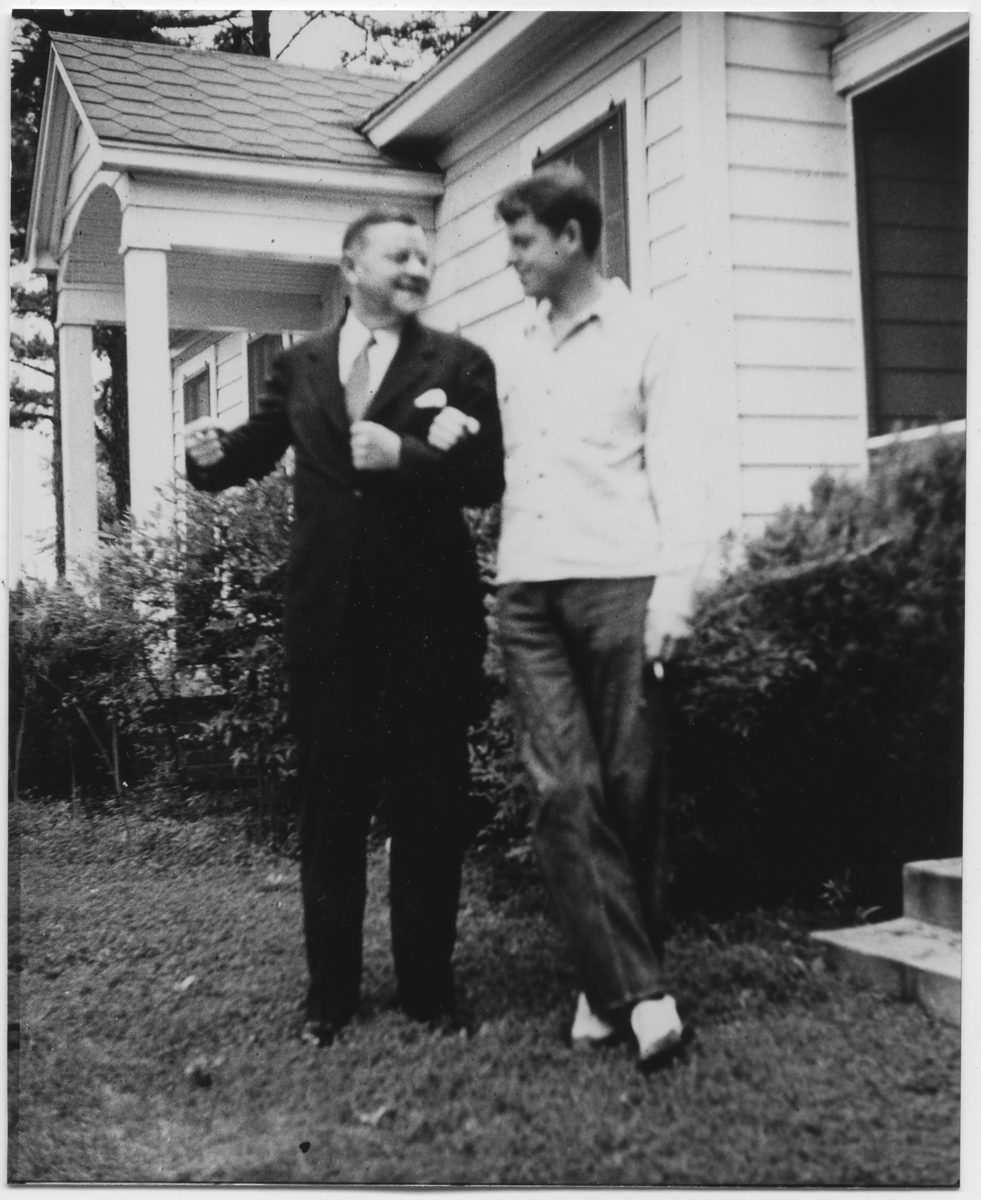
In 1941 they moved to Houston and bought a house on Addison; in 1943, a two-story brick house on South Main. “Mr. Temple is with the Temple Lumber company,” the paper said. John believed his father “literally designed” the retail company and could not get his ideas past Arthur. Webber remembered Gertrude lending him money against his stock, and Arthur “scared to death,” not knowing what T. L. would ask for next: “every time he heard that T.L. was coming to Texarkana, he said oh, I wonder what he wants now.” In the same breath Webber said, “Your grandpa was anything but mean.”
Webber also told the Galveston story. T. L. would be gambling at the club on the pier and telephone the office for $1,500, and a man from the retail company would drive it down. By the time he arrived T. L. had won it back: “Joe, get the hell out of here. I’m fine.”
In October 1943 he told it himself, under oath, in a Hidalgo County courtroom. In 1942 he had signed his estate over to a trustee, a Pharr banker: $416,100 of Temple Lumber Company stock, with the trustee to take ten percent of the gross income. T. L. sued to undo it. He testified “that he had sought to negotiate the trust to preserve his fortune for his family, saying that he had been a heavy drinker for 40 years, consuming as much as a gallon of whisky a day even during prohibition, and that he had spent large sums of money while under the influence of drink.” The jury found that he “was not mentally capable of understanding the nature of the trust when he signed it,” and he got his estate back.
Forty years, on his own oath, puts the start of the drinking at about 1903. He was sixteen, at school in St. Louis or New York, and his mother had been dead three years.
The last years, 1943–1946
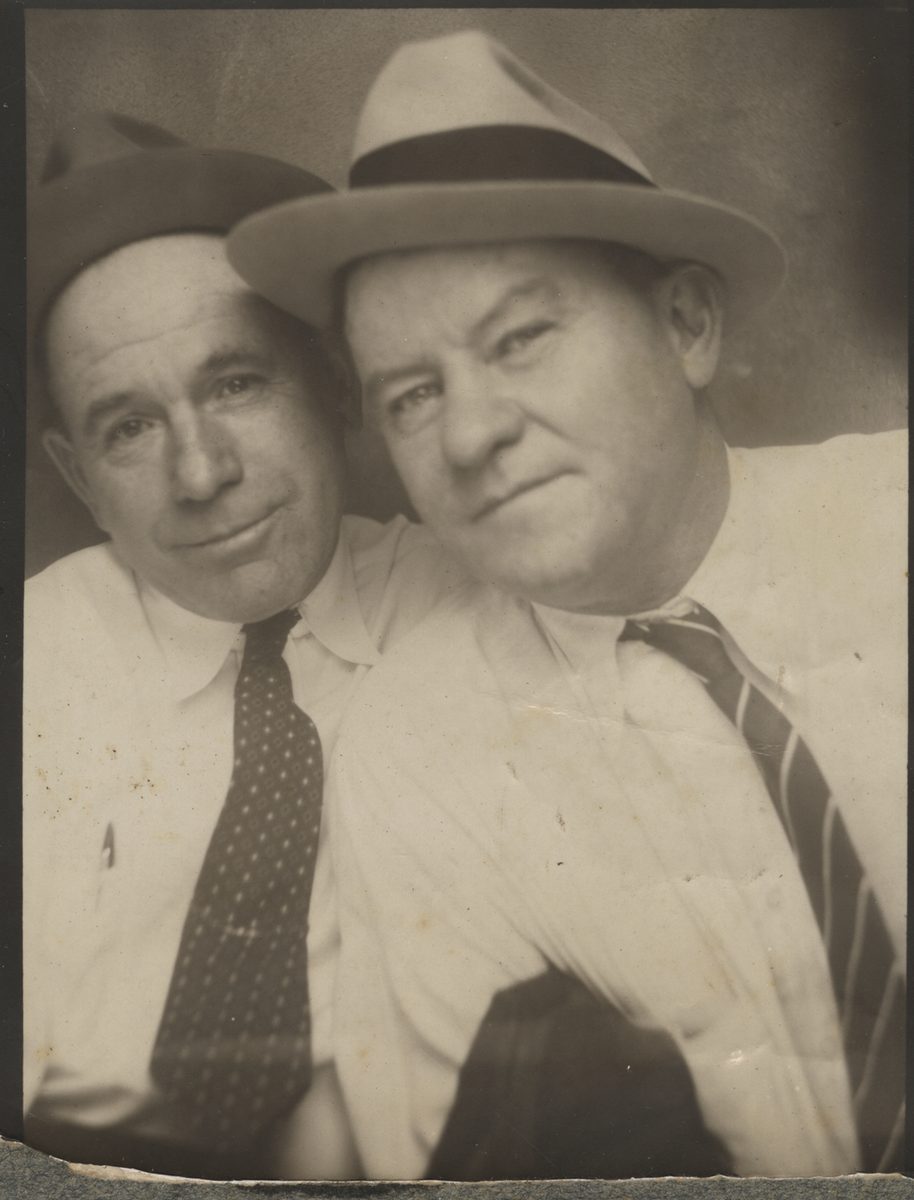
John remembered that when he was a boy the family moved to Kerrville and “lived at Edgewater Lodge, which Dad bought,” on the Guadalupe at Hunt. In June 1944 Madeline bought an acre and a half of the survey Edgewater stands on, though whether that was the lodge itself the deed would have to say.
What happened at Hunt comes from a short recording made there in 2022, after John’s death, by one of his daughters and an older neighbor. When T. L. was drunk he would go out in his underwear and shoot his rifles. The neighbor’s father hid the children of two families behind a stone wall, then went over with the pastor and talked him into putting the guns down, and the two men took him to the Kerrville jail for the night and fetched him in the morning. John once showed his daughter the room at Edgewater where, as a boy, he had jumped on his father’s back with a baseball bat to get him off his mother. The recording also has the line “Daddy usually wasn’t mean when he was drunk.” The daughter said John “never said one negative thing about his childhood … he talked about how sweet TL always was to him, and that he was a very generous man, but he just drank.”
John himself, in 2013 and 2022: “Everybody loved him. He was a scoundrel in one sense, but everybody loved him.” In Mexico, when boys in the street asked for a nickel, “he wouldn’t give them a nickel, give them a dollar.” John also said his father “never worked a day in his life, I would guess. Just lived off of Temple income.” The Pineland and Houston years say otherwise, at least for the first half of his life.
1946 is the best-documented year he had, because Latané kept carbons. Latané was home from the war, living in Little Rock, working for Temple Cotton Oil at $250 a month. Nine of his letters to “Dear T. L.” survive. T. L.’s replies, which came by telegram and by letters “written for you,” do not.
In January T. L. divided what stock he had left among Helen, Madeline, John and Latané, keeping the income for himself. Latané had him sign copies, he wrote later, “that I feared you would change your mind and sacrifice your stock as you have in the past.” Three days after the gift: “Please remember that all of us are made happy when you take care of yourself and if we seem a little moralizing at times, we are aware at the same time of our defects.”
In July T. L. wired asking for the stock back. Latané refused, twice, in two drafts a day apart. The first is marked in pencil “Not sent,” and it is the angriest thing in the file: “I have little heart to keep on hoping only to have my hopes snatched away from me.” “I am working for $250.00 per month in a family enterprise while you apparently spent well over $15,000.00 in the first six months of the year.” “I am at the end of my rope.” The one he sent says it in ten cool lines: “I shall not endorse the stock back to you. That would defeat the purpose of the gift: to protect my inheritance.”
Later that month a letter came “written for you at Sherman.” Latané answered: “I feel your intemperance is the cause of your sickness and I know no solution for it except for you to go to a private hospital where you would be restrained from your self-destruction.” He asked, “Have you separated?” And he offered a visit on one condition: “If you feel that you can abstain from drink while you are here, I would be pleased to make hotel reservations for you so that you can meet your grandson.”
Instead Latané flew to San Antonio in August. His letter afterward is the last in the file. “You were your old self and I want to believe you when you say that it’s the straight and narrow from now on out for you. When you and Madeline thanked me for the help that my trip was to you, it repaid me a thousandfold.” T. L. was sending him desks, his own mother’s cut glass, and the engraving The Burial of Latané. It ends, “Take your time about recovering and then plan your future within your physical and financial means. Much love.”
Diboll, March 1947
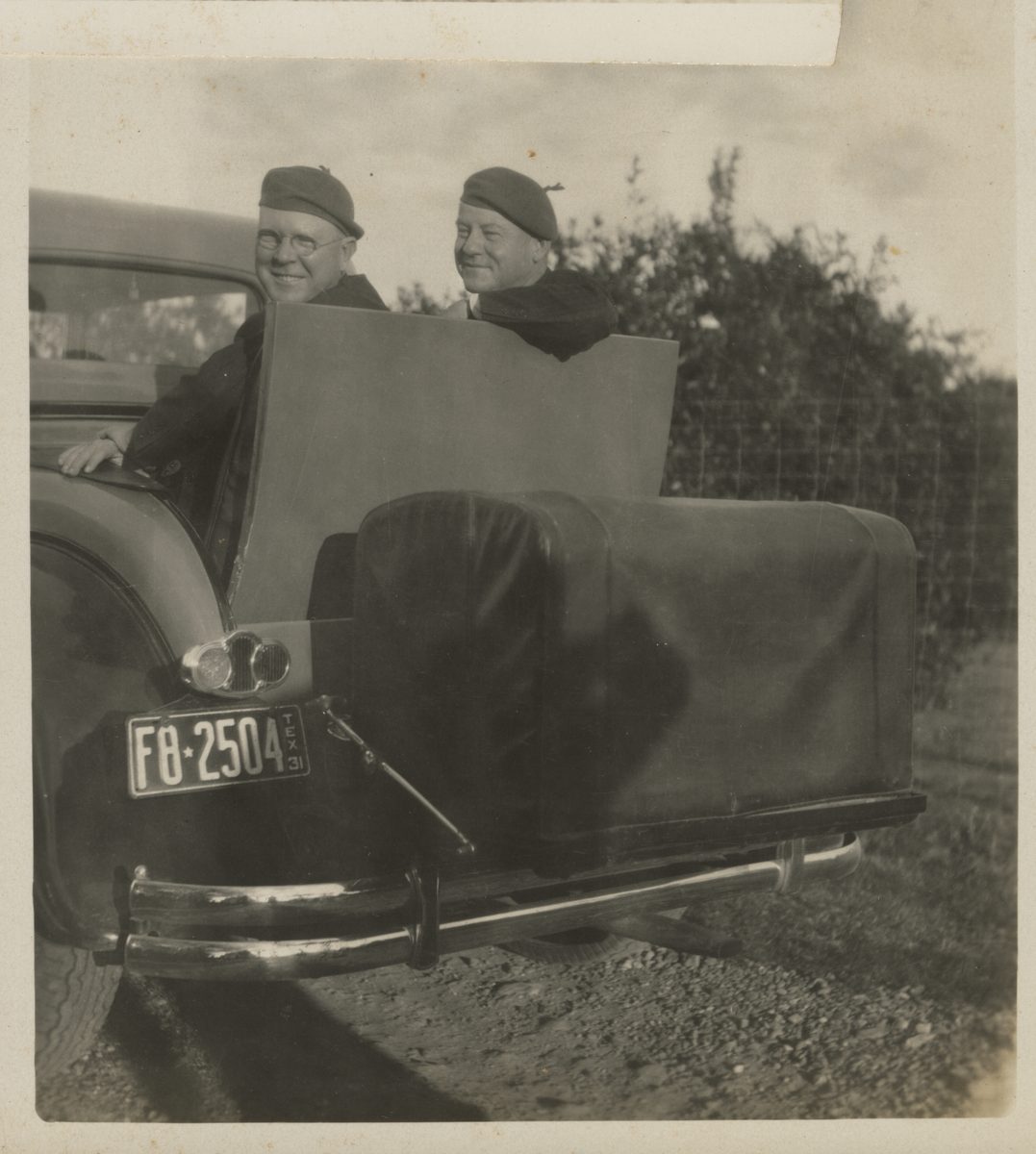
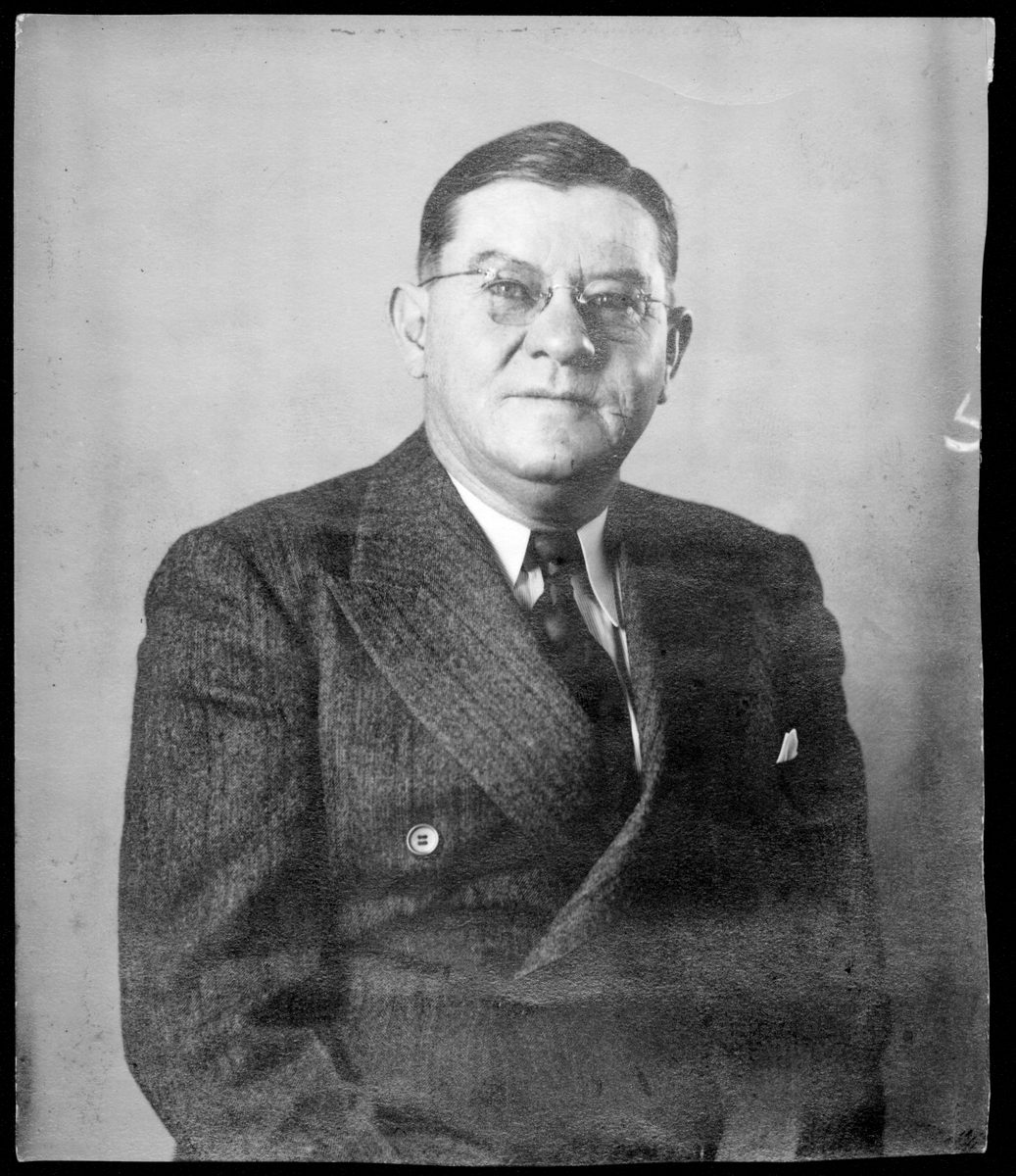
That autumn, in the district court at Kerrville, Madeline was granted a divorce, custody of John, and a trust fund for his support. The newspaper’s docket report is all I have read; the case file is still in Kerr County. In December T. L. signed over to her part of an orchard in the Valley. The deed calls her “a feme sole,” an unmarried woman.
Madeline married again on 14 March 1947, in San Antonio, to Ted Grote, who was still her husband when she died in 1981. That date comes only from her obituary. It is eleven days before T. L.’s death.
The family’s account of his death is the same from every branch: when Madeline left, he stopped drinking all at once, and it killed him. His granddaughter Kate said in 2013, “he died alone.”
The death certificate says this. He died at Diboll at 10:50 on the night of Tuesday, 25 March 1947, fifty-nine years old. He had been there three days, and a Diboll doctor attended him the whole time. The cause, in the doctor’s handwriting, reads as acute coronary occlusion, with hypertension contributing. The informant was his brother Arthur.
Those are two different kinds of statement. The certificate is one doctor’s finding after three days. The withdrawal story is the family’s explanation, from people who were not in the room. Neither rules the other out.
Why Diboll, Latané explained: “In T. L.’s last sickness, Henry sent to bring him there.” Henry, the cousin he had called brother, was general manager at Diboll by then, and died there himself the next spring. “They died within a year of each other … both in Diboll, very appropriately.”
The funeral was on Friday, 28 March, at St. James Episcopal Church in Texarkana, and he was buried in the family plot at Rose Hill. I read the stone in 2022: 24 Sep 1887 – 25 Mar 1947. The record does not agree where he had been living. The death certificate says Texarkana, Arkansas; the San Antonio paper said he “had spent a number of years” there; the McAllen paper called him “a former Valley resident.” One East Texas headline called him a “Pioneer Lumberman,” which was his father.
How his son summed him up
My grandfather Latané spent thirty years in the family company partly, he said, “to somehow or other vindicate my father or to erase his image of the prodigal.” His judgments of his father are the nearest thing to a verdict, and they don’t all point one way. “He was — Arthur scolds me when I say things like this — but, in a sense, he was a black sheep.” “He had good business ideas, but he didn’t follow anything through.” He was “overshadowed by his father’s reputation … He felt he would make his own on one business he would start, or on one gamble, one horse that he’d bet on, or one throw of the dice.”
He also wrote about him in verse. Bird Against the Sky, the poems Latané printed at his own expense in 1973, has two that begin “My father.” One says he “squandered youth and talent, / Strength and treasure, / Spawn and kin,” and died “naked / As the day he came.” The other, dated August 1959, has him stalking the shadows “by my weeping bed”: “Damned on his stone, / Unhonored, unmourned,” “Driven kind, then wild.” Those are poems. They record how a son felt a dozen years after his father’s death, not what happened.
And in 1973, remembering his grandfather in the locker room after golf, Latané wrote: “I recall his soft, clean odor … and embrace it sweetly in memory as part of him, as I do that of my father. If either materialized in the dark without speaking I would know and put my arms about him.”
I have written two songs for him: Rivers Run From Many Waters and Can’t Stop Won’t Stop.
What isn’t known
The biggest gaps: whether he was born on the Texas or Arkansas side; what made him one of the “Officers Sick and Wounded” in 1918; where he was from 1925 to 1929; when and where he married Madeline; the full terms of the 1946 divorce; and whether he had stopped drinking before he died. The largest unread body of evidence about him is probably the Temple company correspondence at the East Texas Research Center, which a historian’s notes describe as concerning “Temple’s relationship with his sons.” If you know anything about any of this, I’d like to hear from you.
Sources
Records. His Texas death certificate (Angelina County, 1947); his draft cards of 1917 and 1942; the Arkansas divorce index (Miller County, 1925); the Miller County marriage register (1910); his A.E.F. identity card; Army Transport Service passenger lists (Hoboken, January 1918; the Rijndam, St. Nazaire, December 1918); Hidalgo County deed records (1946); the Lawrenceville Olla Podrida (1905, 1907); a University of Texas registrar’s confirmation (2022); the National Personnel Records Center’s reply (2025); Madeline Potter Grote’s death certificate and obituary (1981); and the 1910 and 1930 censuses. Twentieth Engineers, France, 1917–1918–1919, the regiment’s printed history, for Company B.
Newspapers, 1903–1947, including the St. Louis Star and Times, Arkansas Democrat and Los Angeles Times on the 1910 wedding; the Beaumont Enterprise, Houston Post and Houston Chronicle on Pineland and the Houston yard; the Little River News and Shreveport Times on Texarkana; The Monitor, McAllen Daily Press and Brownsville Herald on the Valley and the 1943 trust case; the Kerrville Mountain Sun on the divorce; and the San Antonio Light and Waco News-Tribune death notices.
Letters. His father’s letters to him (1901, 1903, 1907, the seven McAllen letters of 1930 and an undated note from Quogue); L. D. Gilbert’s 1916 letter, from the company records, sent to me by Jonathan Gerland of The History Center, Diboll; Latané’s nine carbons to his father (1946); and Hal Crouch Temple’s 1959 letter to her son, printed in The Pine Bough (2002).
Latané Temple’s own words. His 1985 interviews with The History Center in Diboll; his “In My Opinion” columns in the Diboll Free Press (1971–1977); The Cornbread Whistle (1986); and Bird Against the Sky (1973).
Family recordings. Temple Webber Jr. and Kate Temple (2013); John Rogers Temple (2013 and 2022); and a recording made at Hunt in 2022 by two people not named here. These are machine transcripts that nobody has checked by listening. Each quotation from 2013 and from John in 2022 was compared across two different transcriptions, and where they disagreed I quoted less. The Hunt recording has only one.
Photographs. Most are from the Latané Temple Papers at The History Center in Diboll; the others are from family collections.